November 5, 2026
Understanding the pivotal role that roof installation plays in home energy efficiency is crucial for modern homeowners. A professionally installed roof offers significant structural benefits that extend far beyond weather protection, directly impacting a household's overall energy consumption and utility expenses. In an era where utility costs are rising rapidly and environmental concerns are paramount, focusing on sustainable roofing solutions has become a practical financial necessity. Homes outfitted with properly insulated and ventilated roofs not only reduce energy waste but also contribute to a measurable decrease in household carbon emissions over time. Partnering with a certified roofing contractor enables homeowners to navigate complex material choices and specialized installation techniques, ensuring that every layer of the assembly operates at peak thermal efficiency.
The structural synergy between advanced roofing materials, continuous air sealing, and precise mechanical installation creates a high-performance barrier against environmental heat transfer. When a roof is improperly installed, thermal leaks, moisture accumulation, and air infiltration severely compromise the building envelope, forcing HVAC systems to work significantly harder. This comprehensive guide explores the essential components, modern technological advancements, and installation techniques critical to optimizing home energy performance. By understanding how proper installation mitigates thermal loss, homeowners can make informed decisions that deliver long-term financial savings and elevated indoor comfort.
Examining the Core Fundamentals of Roof Assemblies
The anatomy of a roof is an intricate, multi-layered system where each component plays a vital role in structural integrity and thermal management. The complete roofing structure includes the structural decking, secondary underlayment, shingles or metal panels, continuous flashing, and intake vents. Proper alignment and attachment of these layers minimize thermal bridging, effectively keeping interior spaces warmer in winter and cooler in summer. The underlayment acts as a secondary barrier against water intrusion and air infiltration, illustrating how foundational layers contribute directly to energy retention. A detailed understanding of roof anatomy allows a skilled roofing contractor to execute precision installations that maximize total thermal resistance across the entire structure.
Material selection profoundly impacts a building's baseline energy performance and long-term durability. While traditional asphalt shingles remain popular, advanced options such as standing-seam metal roofs, concrete tiles, and solar shingles offer significantly higher thermal reflectivity and insulation values. These modern materials reflect solar radiation away from the home rather than absorbing it into the attic space, leading to a substantial drop in summertime cooling demand. According to Gitnux, 62% of consumers prioritize energy-efficient roofing, underscoring a major shift in public demand toward sustainable building products. Evaluating material performance ratings, such as solar reflectance and thermal emittance, empowers property owners to choose solutions aligned with their regional climate requirements.
Analyzing Ventilation and Insulation Dynamics
Balanced roof ventilation is essential for maintaining optimal thermal performance and structural health throughout the year. Effective ventilation systems allow attic spaces to circulate fresh air continuously, preventing extreme heat buildup during hot summer months and moisture accumulation during winter. Without adequate airflow, trapped heat radiates downward into living spaces, drastically increasing air conditioning workloads and driving up electricity expenses. Properly sized ridge vents, soffit vents, and gable louvers facilitate continuous passive air circulation that regulates attic temperatures. Integrating calibrated ventilation into the structural design protects roofing components from thermal degradation while maintaining consistent indoor comfort.
High-performance insulation serves as the primary thermal barrier between a home's conditioned living spaces and the exterior elements. Properly installed insulation materials drastically diminish conductive heat transfer, cutting household energy consumption by up to 20% annually. Correct placement is critical during installation to eliminate gaps, compressions, and thermal bridging around structural framing members where heat easily escapes. Deploying continuous insulation sheathing across the attic floor and rafter bays creates a seamless thermal envelope that stabilizes indoor temperatures. An experienced roofing contractor evaluates existing insulation levels and airflow pathways during installation to ensure the complete roofing system achieves its maximum energy-saving potential.
Incorporating Advanced Technological Innovations
Solar roofs and cool roof technologies represent major technical leaps in sustainable residential building practices. Solar roofing systems integrate photovoltaic cells directly into durable glass shingles, converting sunlight into clean electricity without compromising structural aesthetics or weather protection. Cool roofs utilize specialized granules or reflective liquid coatings designed to reflect up to 80% of incoming solar radiation back into the atmosphere. By minimizing heat absorption, these innovative technologies drastically reduce attic heat gain, keeping homes naturally cooler. Incorporating smart sensor networks within these systems allows for real-time monitoring of thermal performance, moisture levels, and structural health.
Green vegetated roofs and specialized reflective coatings offer complementary avenues for advancing residential energy performance. Green roofs utilize living vegetation layers over waterproof membranes, providing natural insulation, acoustic dampening, and stormwater management benefits. Reflective elastomeric coatings, applied as a seamless protective membrane over existing substrates, restore surface integrity while dramatically lowering surface temperatures. These advanced technological options prove particularly effective in warmer urban climates where reducing summer cooling loads is a primary priority. Consulting with a qualified roofing contractor helps homeowners select and deploy the specific technology best suited to their regional weather patterns.
Selecting Qualified Industry Installation Experts
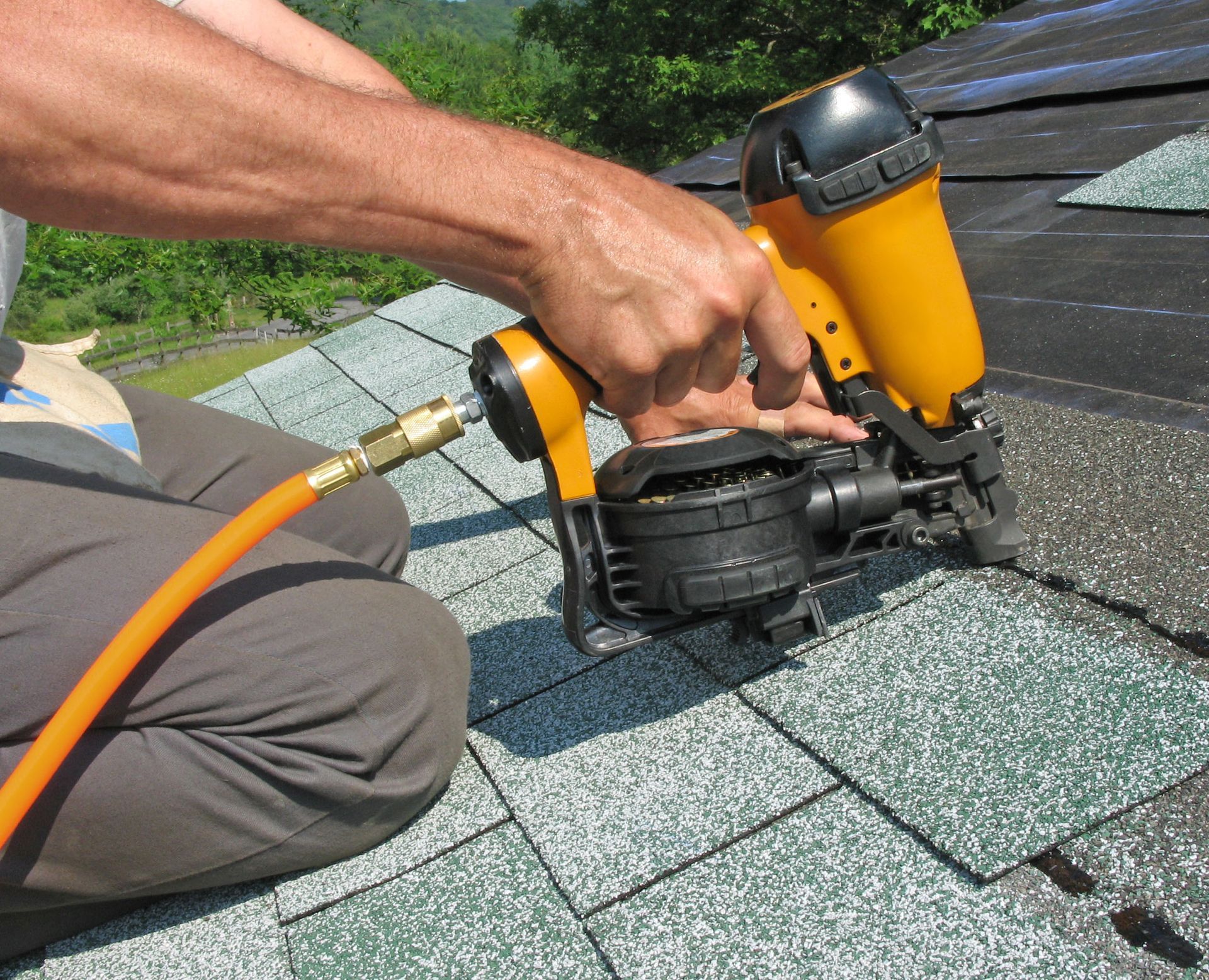
Partnering with a certified, experienced installation professional is paramount to achieving a fully optimized, energy-efficient roof. Qualified specialists possess the technical knowledge required to calculate proper ventilation ratios, execute airtight flashing details, and install specialized reflective materials without voiding manufacturer warranties. Homeowners should thoroughly vet potential candidates by reviewing trade certifications, verifying state licensing and insurance, and examining past customer testimonials. Working with a dedicated roofing contractor guarantees that the physical installation strictly complies with local building codes, safety regulations, and modern energy efficiency standards.
Comprehensive warranties and transparent service agreements provide critical financial security and ensure long-term installation performance. High-quality roofing warranties cover both material durability and installer workmanship, protecting property owners against unexpected defects, leaks, or performance failures. A transparent contract clearly outlines project timelines, itemized material specifications, ventilation plan details, and post-installation cleanup procedures. Asking prospective installers detailed questions regarding their experience with energy-efficient systems ensures alignment with your performance expectations. Prioritizing verified expertise and strong warranty protections guarantees that your roofing investment delivers reliable protection and maximum energy savings for decades to come.
Executing Routine Maintenance for Sustained Performance
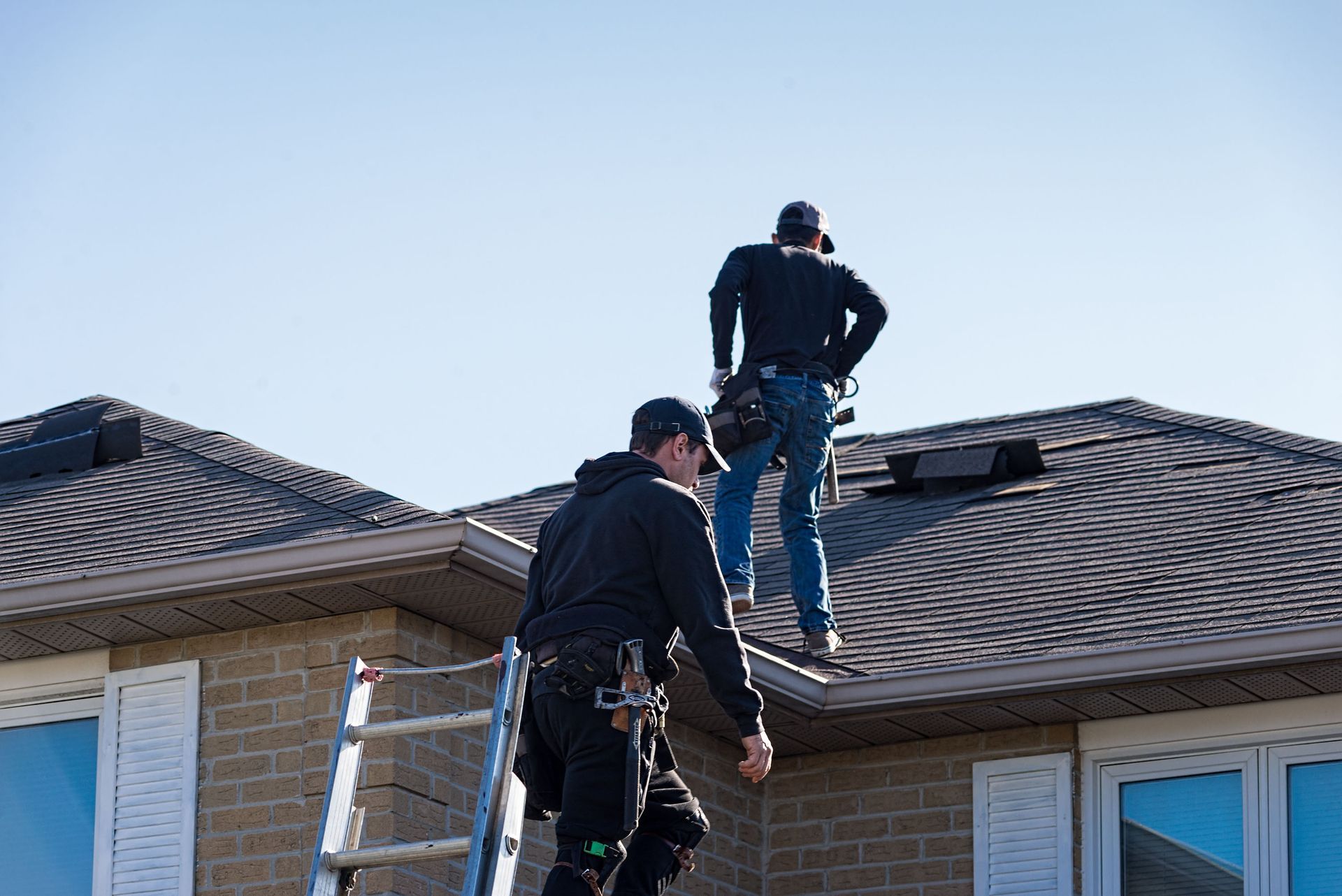
Routine inspections and proactive maintenance are essential for preserving the energy efficiency and structural integrity of a roof over its lifespan. Scheduled bi-annual checks allow professionals to identify minor issues—such as cracked sealants, displaced shingles, or clogged intake vents—before they escalate into costly structural repairs or severe energy leaks. Inspectors evaluate joint functionality, flashing seals, and surface reflective coatings to ensure the assembly maintains its factory-rated thermal efficiency. Regular clearing of debris from gutters and drainage paths prevents standing water accumulation that can compromise underlayment barriers. Establishing a consistent maintenance routine extends the operational lifespan of the roof, protecting its energy-saving capabilities.
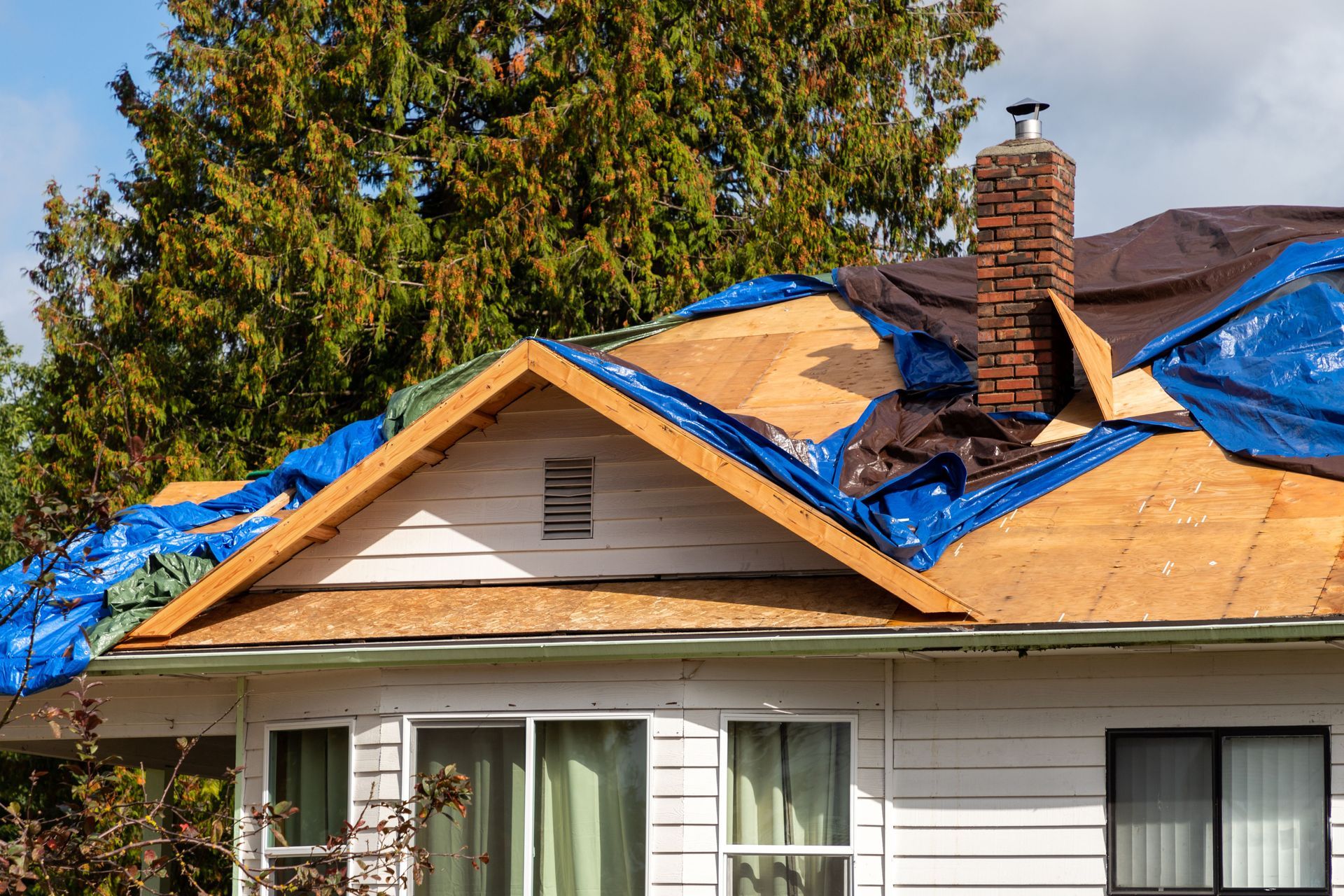
Property owners must balance minor repair needs against total replacement options when managing an aging roofing system. While isolated surface damage can often be resolved through targeted repairs, widespread material degradation, chronic attic condensation, or severe sagging may necessitate a complete system replacement. Consulting a certified roofing contractor provides an objective evaluation of structural health, helping homeowners determine the most cost-effective path forward. Transitioning to a modern, energy-efficient roofing system during replacement delivers an immediate upgrade in thermal performance and property value. Timely professional interventions ensure that the building envelope continues to perform at peak efficiency regardless of environmental stressors.
Prioritizing energy efficiency during a roof installation requires a strategic combination of quality materials, expert workmanship, and proactive maintenance practices. Regular inspections and timely repairs preserve the thermal integrity of the assembly, ensuring that energy-saving benefits remain consistent over time. As smart technologies and sustainable material innovations continue to reshape the industry, energy-conscious roofing solutions will play an increasingly vital role in modern home design. Contact Consolidated Roofing Contractors, Inc today to schedule a comprehensive structural assessment and upgrade your home with a superior, energy-efficient roofing system tailored to your exact needs.