November 6, 2026
A professional roof inspection helps property owners understand the condition of their roofing system and identify potential problems before they become expensive repairs. Inspectors evaluate roofing materials, drainage systems, flashing, ventilation, and structural components to determine whether the roof needs attention. Working with experienced local roofers can help homeowners maintain their roofs, address weather-related damage, and protect their property's long-term value. Regular inspections are particularly valuable after severe storms, when hidden damage may develop without obvious signs inside the home.
Scheduling a Professional Inspection
The inspection process begins with a consultation to discuss the property's roofing system, its age, and any concerns the homeowner has noticed. Information about recent storms, previous repairs, or recurring leaks helps the inspector determine which areas may require closer attention. This initial discussion also establishes expectations for the inspection and the findings the homeowner will receive.
Choosing qualified local roofers is important for obtaining an accurate assessment. According to House Grail, there are approximately 108,069 roofing contractor businesses in the United States, giving property owners many options when searching for professional services. Reviewing experience, credentials, customer feedback, and service offerings can help homeowners select a contractor suited to their roofing needs.
Once an inspector has been selected, the appointment is scheduled at a convenient time. The contractor may explain how the inspection will proceed and whether access to the attic or other interior spaces is necessary. Communicating concerns beforehand helps ensure the assessment covers the areas most relevant to the property's condition.
Examining Exterior Roofing Materials
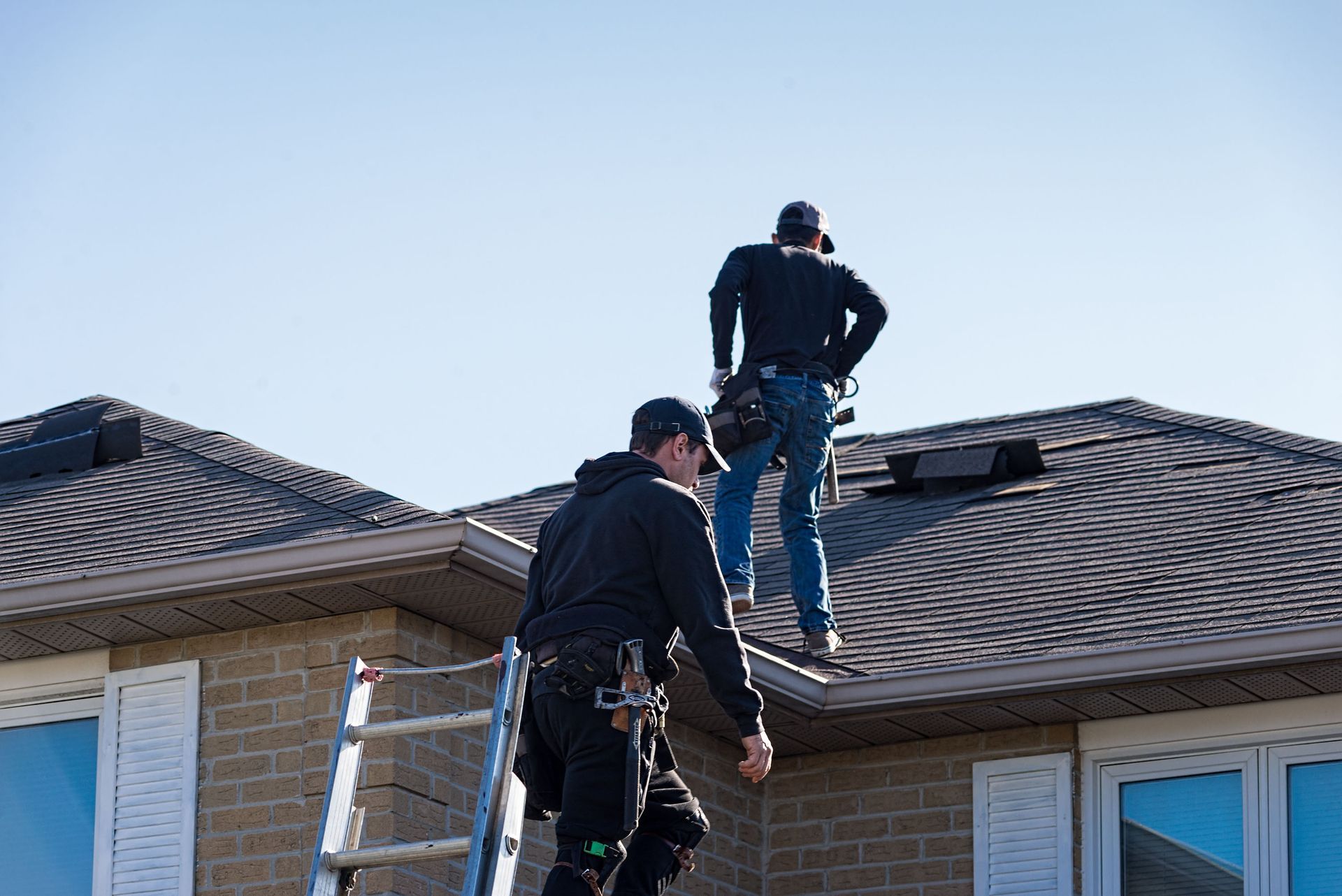
The exterior examination focuses on the visible condition of roofing materials and the components that protect the building from moisture. Inspectors look for missing, cracked, curling, or deteriorating shingles, along with damaged tiles and exposed roofing surfaces. These conditions can indicate aging materials, storm damage, or other issues that compromise the roof's ability to keep water out.
Drainage systems receive attention because gutters and downspouts help direct rainwater away from the roof and foundation. Inspectors check for damage, improper drainage, and signs of water accumulation that could affect surrounding materials. Problems with these systems may contribute to moisture intrusion, deterioration, and damage to other parts of the property.
Flashing around chimneys, skylights, vents, and roof intersections is another important inspection point. These areas are particularly vulnerable to leaks when seals deteriorate or flashing becomes damaged. Experienced local roofers can identify visible warning signs and determine whether repairs or further evaluation are necessary to maintain the roofing system's weather resistance.
Checking Attic Conditions and Ventilation
An attic inspection provides information about conditions that may not be apparent from the roof's exterior. Inspectors look for water stains, damp insulation, discoloration, and mold-like growth that could indicate moisture intrusion. These findings can help identify leaks or ventilation problems before they cause more extensive damage to ceilings, walls, and structural materials.
Ventilation is also evaluated because airflow helps regulate attic temperatures and manage moisture. Poor ventilation can contribute to condensation, excessive heat, and premature deterioration of roofing materials. An inspector may examine available vents and airflow pathways to determine whether the system appears to function properly.
Insulation is reviewed for signs of moisture exposure, deterioration, or insufficient coverage. Damaged insulation can affect indoor comfort and energy efficiency, while persistent moisture may point to a larger roofing concern. By examining these interior conditions, local roofers can provide a more complete understanding of the roof's performance and identify issues that may require additional attention.
Evaluating Structural Stability and Safety
A professional inspection also considers the roof's structural condition and its ability to withstand expected environmental loads. Inspectors look for visible sagging, unusual movement, damaged supports, and other signs that may indicate structural stress. These observations help determine whether the roof requires further assessment by an appropriate specialist.
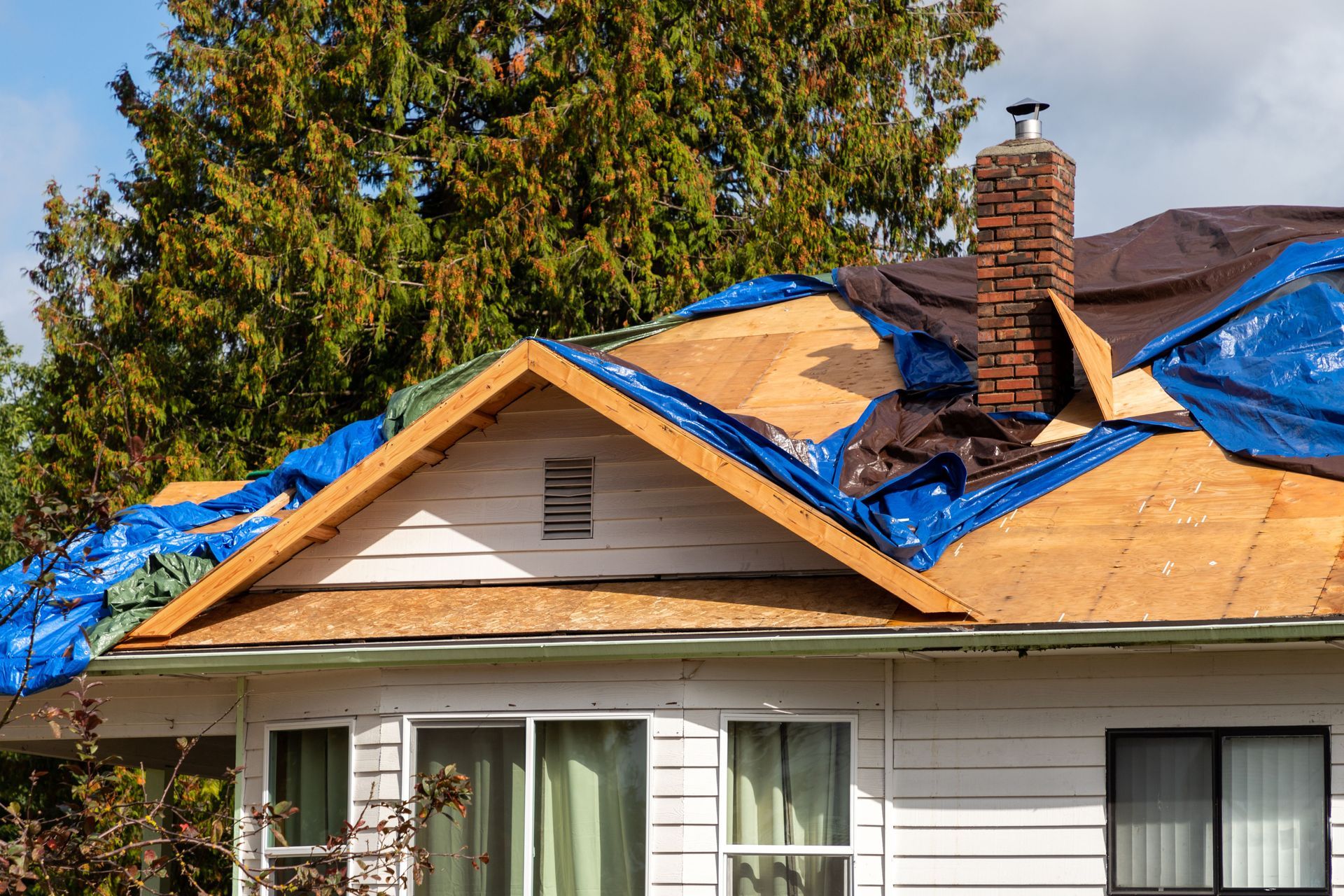
Weather exposure can affect structural components over time, particularly when water enters the roofing system or severe storms damage protective materials. Inspectors consider visible evidence of past damage and review areas where deterioration may have weakened the roof. Identifying these concerns early can help property owners understand the urgency of necessary repairs.
Safety considerations are another essential part of the assessment. Contractors evaluate accessible areas for loose materials, unstable surfaces, and other hazards that could affect the roof's condition or future maintenance. Local roofers can also explain whether observed conditions warrant additional professional evaluation to help maintain the property's safety and structural integrity.
Reviewing Inspection Findings and Recommendations
After completing the assessment, the inspector prepares a report describing the roof's condition and documenting any identified concerns. Depending on the contractor's process, the report may include photographs, descriptions of damaged materials, and notes about areas requiring further evaluation. This information helps property owners understand the findings and make informed decisions about the next steps.
The report typically distinguishes urgent concerns from less immediate maintenance needs. Active leaks, significant material deterioration, and suspected structural problems may require prompt attention, while other issues can be monitored or addressed through planned maintenance. Clear recommendations help homeowners prioritize repairs based on the roof's condition and the potential consequences of leaving problems unresolved.
Repair estimates may also be provided when the contractor identifies work that needs to be completed. These estimates give homeowners a starting point for comparing proposed services, understanding expected costs, and planning their budgets. Local roofers can explain the scope of recommended work and help property owners understand which repairs are most important for protecting the building.
Planning Repairs and Future Inspections
Following the inspection, homeowners can review the report with the contractor and ask questions about any unfamiliar findings. Understanding the difference between immediate repair needs and longer-term maintenance recommendations makes it easier to plan appropriate action. Clear communication also helps prevent misunderstandings about the condition of the roof and the services being proposed.
When repairs are necessary, the inspection report can help guide conversations with contractors about project scope, scheduling, materials, and costs. Property owners should understand what each proposed repair addresses and whether any additional assessment is recommended before work begins. Selecting qualified local roofers helps ensure that identified issues receive appropriate attention and that repairs are suited to the existing roofing system.
Keeping inspection reports, repair records, and warranty information provides a useful history of the roof's condition. These documents can help contractors identify recurring problems and evaluate changes during future inspections. Following a professional inspection schedule also supports ongoing maintenance and helps property owners respond to developing concerns before they become more disruptive.
Protecting Your Roof With Professional Services
A professional roof inspection provides valuable insight into the condition of roofing materials, drainage systems, ventilation, and structural components. Understanding the findings allows property owners to prioritize repairs, plan maintenance expenses, and make informed decisions about their roofing systems. Regular evaluations can also help identify problems associated with aging materials and severe weather before they lead to more extensive damage.
Working with a qualified roofing contractor is an important step toward preserving your property's protection and value. Consolidated Roofing Contractors, Inc can help property owners understand their roofing needs and determine appropriate next steps when an inspection reveals concerns. Contact Consolidated Roofing Contractors, Inc to discuss your roof's condition, arrange a professional evaluation, and learn how experienced local roofers can help maintain your roofing system. Regular professional attention can also provide greater confidence that your roof remains prepared for changing weather conditions throughout the year.