November 3, 2026
Hiring a roofing contractor requires careful consideration, especially when leaks, missing shingles, or storm damage threaten your home. The right professional can identify problems and recommend appropriate repairs, while an unreliable contractor may leave homeowners facing additional expenses or unresolved damage. Warning signs are not always obvious during an initial conversation. Unclear estimates, missing credentials, and aggressive sales tactics can indicate problems before work begins. Knowing how to evaluate a roof repair company helps homeowners ask informed questions, compare proposals, and protect their property. Paying attention to these concerns can make the selection process more manageable and reduce the likelihood of costly misunderstandings.
Recognizing Missing Licenses and Insurance
Before hiring a contractor, verify whether the business meets applicable licensing requirements. Rules differ by state and municipality, so homeowners should consult the relevant licensing authority rather than assuming every roofing business follows the same requirements. Contractors should willingly provide their business information and explain their experience with the roofing materials involved. Evasive answers, unverifiable credentials, or reluctance to share documentation deserve closer attention. Experience with a particular roofing system matters because repair techniques can differ between asphalt shingles, metal panels, tile, and flat roofing materials.
Insurance deserves equal scrutiny when choosing a roof repair company. Ask about liability coverage and workers' compensation, where applicable, and request documentation that can be verified with the insurer. Coverage details matter because roofing involves work at heights, equipment, and the possibility of accidental property damage. A contractor who dismisses questions about insurance may expose homeowners to unnecessary uncertainty. Taking a few minutes to verify qualifications before signing an agreement is generally easier than resolving disputes after an incident occurs. Clear documentation also demonstrates a willingness to be accountable.
Questioning Vague or Incomplete Estimates
A written estimate should help homeowners understand exactly what a contractor intends to repair. Look for descriptions of affected roof areas, materials, labor, preparation, and anticipated charges. An estimate that simply promises to fix the roof provides little basis for comparing bids or confirming completed work. Ask how the contractor will handle damage discovered after existing materials are removed. If the response is unclear, request a written explanation before proceeding. Transparent estimates establish shared expectations and help prevent disputes over what was originally included.
Price alone should never determine which roof repair company receives the job. An unusually low bid might omit necessary work, while an expensive proposal does not automatically indicate superior quality. Compare the scope, materials, warranties, and assumptions behind each estimate. Ask whether disposal, cleanup, and any required permits are included. Contractors who refuse to clarify charges or repeatedly change their figures without explanation warrant caution. Reviewing several detailed proposals can reveal meaningful differences and help homeowners choose an option that fits both the roofing problem and their budget.
Identifying Aggressive Sales Pressure
A roof leak can feel urgent, but urgency should not eliminate informed decision-making. Be wary of contractors who insist that paperwork must be signed immediately, discourage independent inspections, or threaten that a quoted price will disappear within hours. Some problems require temporary protection or prompt repair, yet a professional should still explain the reasons for that urgency. Homeowners should have an opportunity to understand the proposed work, payment obligations, and alternatives before committing. High-pressure tactics may indicate that securing a sale matters more than addressing the actual problem.
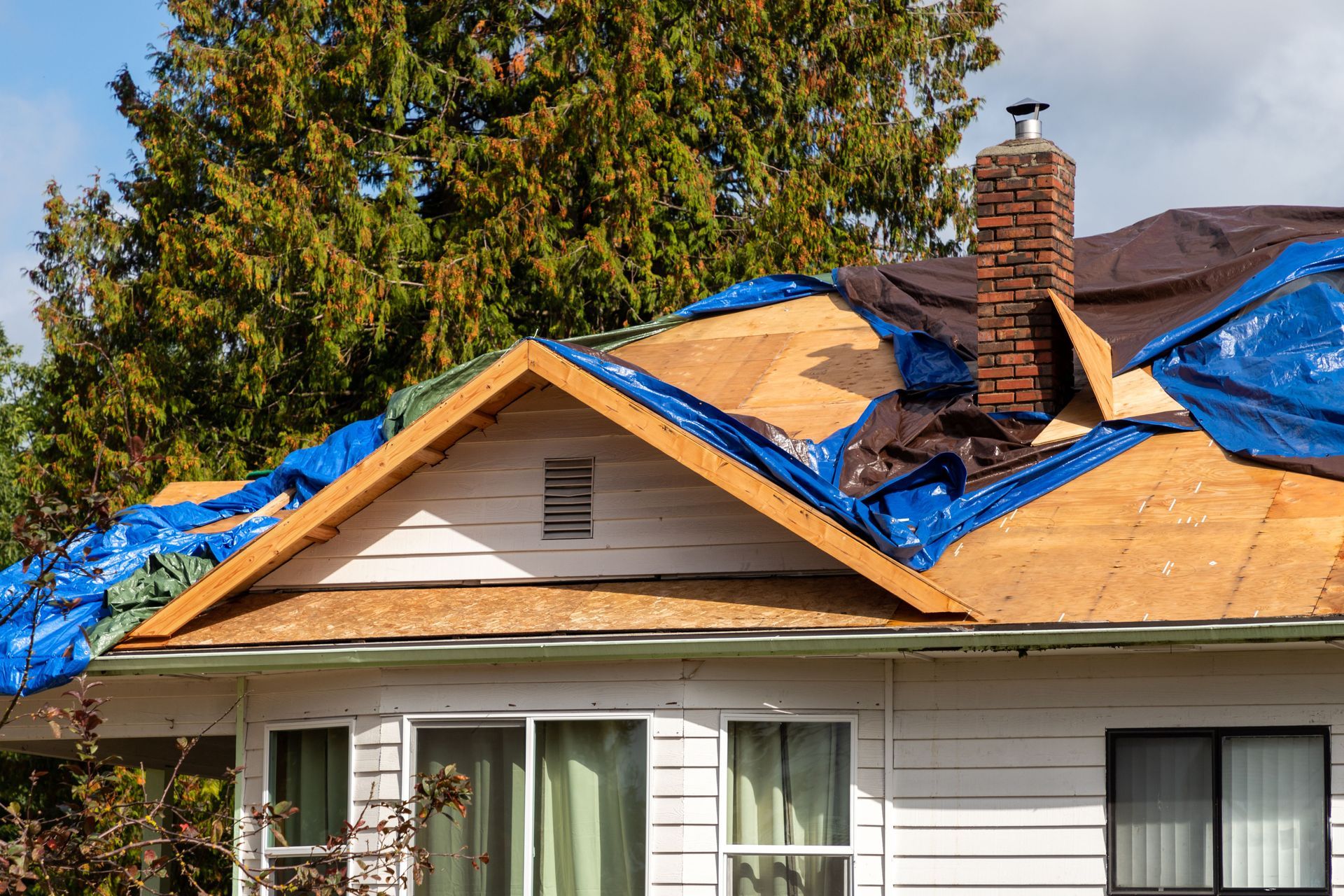
Storm damage can make homeowners particularly vulnerable to rushed decisions. According to the National Roofing Contractors Association, approximately 30% of roofing repairs address damage caused by storms, including hail and strong winds. After severe weather, unexpected visitors may offer quick inspections or promise outcomes they cannot guarantee. A reputable roof repair company should describe observed damage and provide realistic options without pressuring customers to sign on the spot. Be especially cautious of anyone guaranteeing insurance approval or suggesting that standard documentation is unnecessary. Take time to verify the business before authorizing repairs.
Investigating Poor Reviews and Limited References
Past customer experiences can reveal how contractors handle scheduling, workmanship, and communication. Look for patterns across multiple reviews rather than relying on one glowing recommendation or isolated complaint. Repeated reports of unfinished repairs, unexplained charges, or difficulty reaching the contractor deserve attention. Ask for references from customers whose roofs required comparable work, particularly when specialized materials are involved. A contractor who cannot discuss previous projects or refuses reasonable reference requests may not offer enough information to support a confident hiring decision.
When researching a roof repair company, consider how it responds to criticism as well as praise. Thoughtful responses to customer concerns can demonstrate professionalism, although online feedback should not replace verification of credentials. Ask previous customers whether the project followed the agreed scope and whether concerns were addressed after completion. Photos of finished work may be useful, but they cannot confirm everything beneath the surface. Combining references, reviews, and written documentation gives homeowners a more balanced view than any single source of information.
Examining Unclear Contracts and Payment Terms
A roofing contract should explain the repair scope, materials, anticipated schedule, payment milestones, and procedures for approving changes. Depending on the job, it may also address cleanup, warranties, and responsibility for obtaining permits. Missing details can create disagreements if the contractor and homeowner remember conversations differently. Read every provision before signing and ask for written clarification when language seems ambiguous. Never assume a verbal promise will automatically become part of the agreement. A clear contract protects expectations on both sides and provides a reference throughout the project.
Payment arrangements are another reason to examine a roof repair company carefully. Be cautious about unusually large upfront demands, requests for untraceable payment methods, or pressure to pay for work that has not been performed. Payment schedules should correspond to clearly explained project terms and applicable local rules. Keep copies of estimates, receipts, contracts, and written change approvals. If hidden damage changes the repair scope, insist on reviewing the revised cost before additional work begins. These precautions help homeowners maintain visibility into project expenses and reduce opportunities for misunderstandings.
Noticing Weak Communication and Unsupported Recommendations
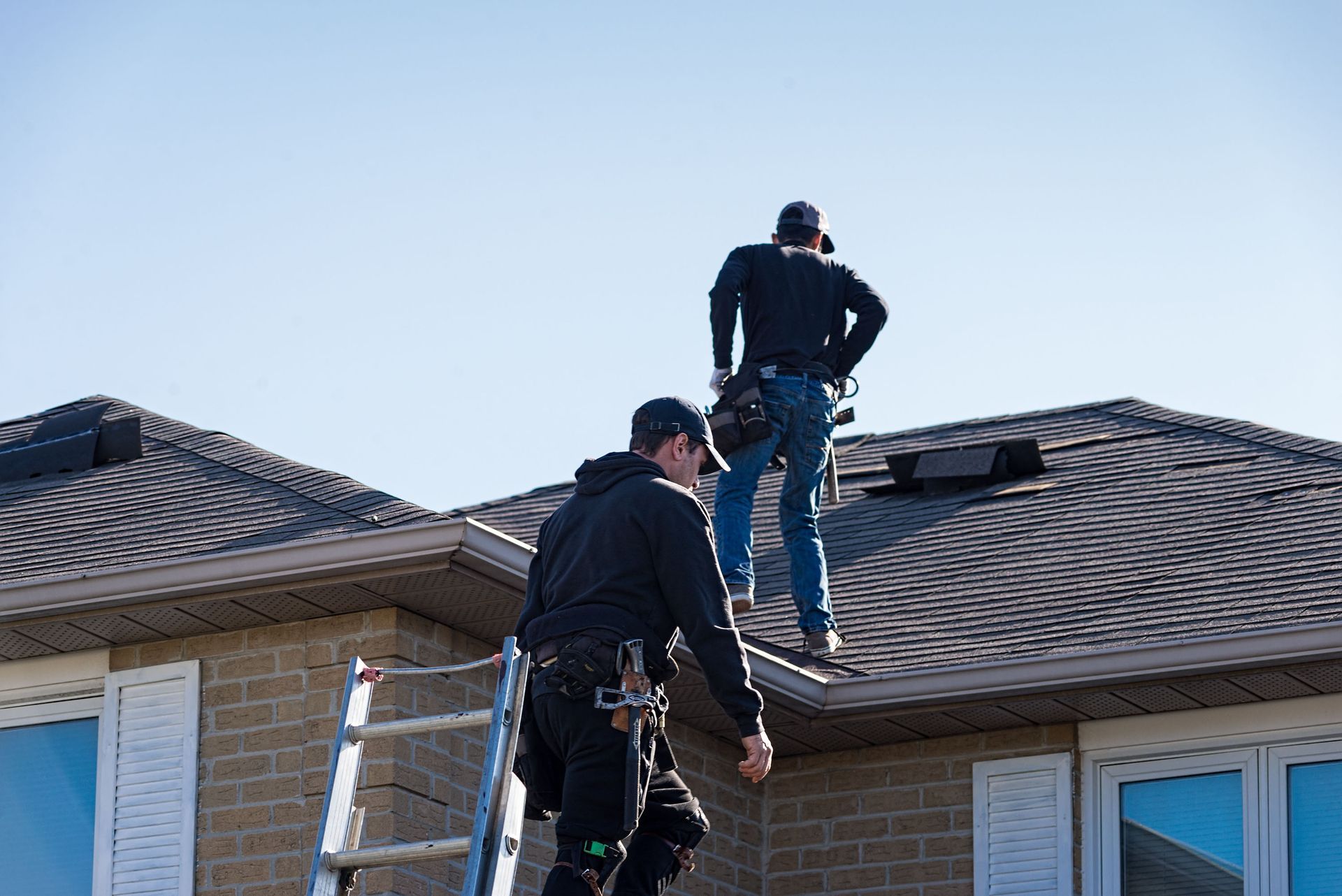
Contractors should explain what they found during an inspection and why specific repairs are recommended. Warning signs include inconsistent descriptions of damage, unanswered questions, and refusal to provide photographs or other supporting information when available. Homeowners should also ask about scheduling, weather delays, and who will serve as their point of contact. Poor communication before a project begins may become more frustrating once materials arrive and work is underway. Clear explanations help customers distinguish necessary repairs from optional improvements and prepare for the process.
Not every roofing issue requires extensive replacement. Appropriate repairs depend on the roof's age, materials, condition, and location of damage. Be cautious when a contractor recommends major work without inspecting the affected area or explaining the reasoning. Similarly, promises that every problem can be fixed cheaply without assessment may be unrealistic. Ask what the repair will address, what limitations remain, and whether another professional opinion would be useful. A reliable contractor should welcome reasonable questions and explain the tradeoffs between repair options rather than pushing a single expensive solution.
Recognizing warning signs before hiring a contractor can prevent avoidable expenses and frustration. Missing credentials, vague estimates, pressure tactics, troubling reviews, unclear contracts, and unsupported recommendations all deserve careful attention. Comparing documentation and asking direct questions helps homeowners make decisions based on the condition of their roofs rather than sales promises. A dependable roof repair company should communicate clearly and explain the work it proposes. If your home needs an inspection or repairs after leaks or storm damage, contact Consolidated Roofing Contractors, Inc. to discuss your roofing concerns and available services.