July 29, 2026
A roof must do more than cover a building. It has to withstand changing temperatures, heavy rain, strong winds, snow, hail, sunlight, and other conditions that can weaken materials over time. When roofing components deteriorate, moisture may enter the structure, insulation can lose effectiveness, and repair costs can increase. Property owners who want long-term protection often look for materials and installation methods that can handle demanding weather without frequent replacement.
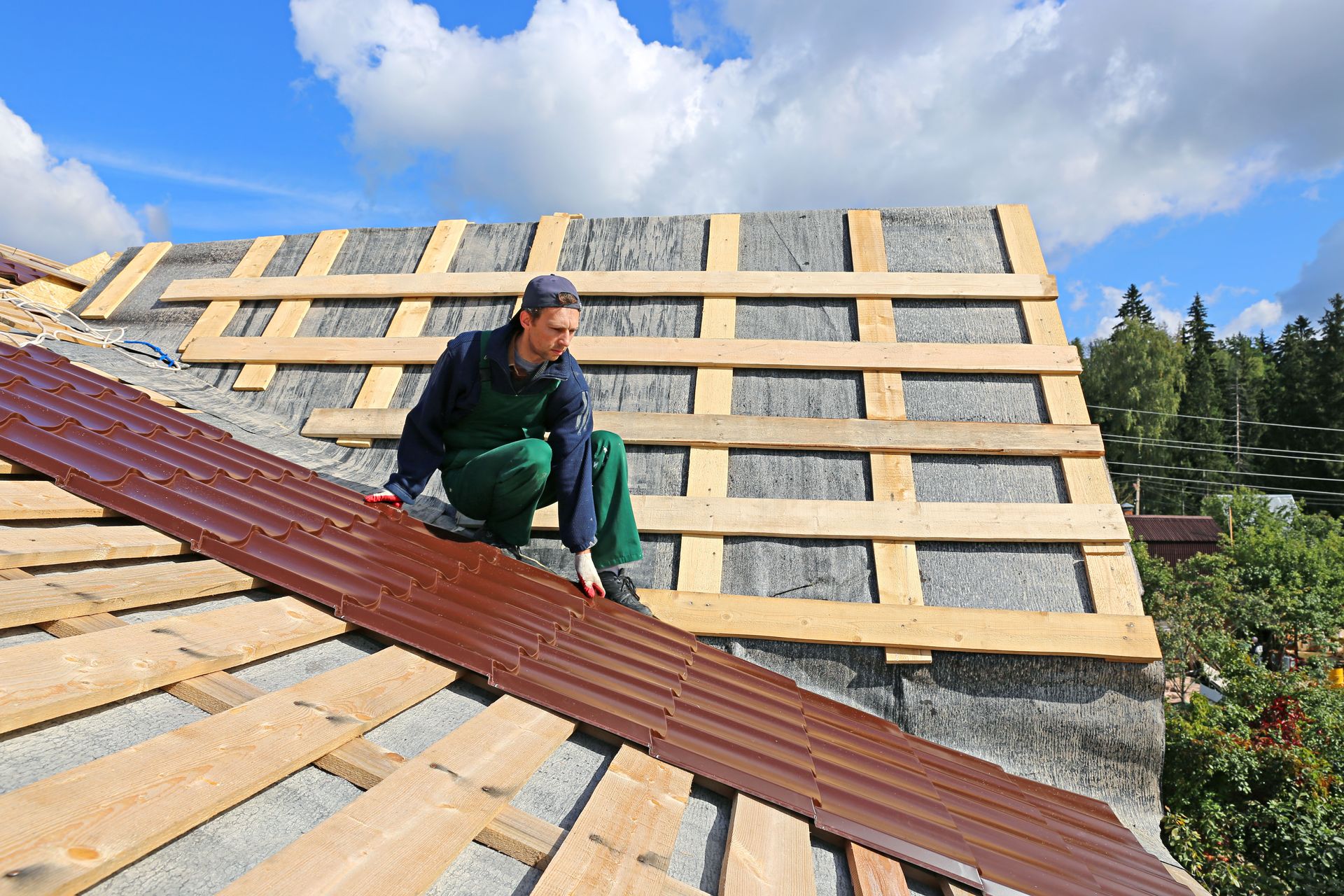
Metal roofing services help property owners strengthen one of the most important parts of a home or commercial building. Professional contractors can evaluate the structure, recommend suitable metal systems, install panels correctly, and address the details that influence performance. With careful planning and skilled workmanship, a metal roof can provide dependable durability, improved weather resistance, and lasting value.
Strengthening the Roof Against Daily Wear
Every roof experiences gradual wear from sun exposure, temperature changes, moisture, and airborne debris. Asphalt shingles may curl, crack, loosen, or lose protective granules as they age. Metal panels are designed to resist many of these common forms of deterioration, making them a practical option for owners who want a durable roofing surface.
Professional metal roofing services focus on more than the visible panels. Contractors also consider the roof deck, underlayment, fasteners, seams, flashing, and ventilation. Each component contributes to the system’s ability to remain secure and protect the structure below. Properly selected materials and installation techniques can help reduce premature damage, especially in areas that regularly experience harsh seasonal conditions.
Metal roofing also resists rot, mildew, and insect damage because the panels do not absorb water like some organic materials. Although routine inspections are still important, the roof may require fewer repairs related to cracking, warping, or material breakdown. This durability can help owners manage long-term maintenance costs more effectively.
Resisting Wind, Rain, and Impact Damage
Severe weather can place significant pressure on roofing materials. Strong winds may lift loose sections, driving rain can enter small gaps, and hail can strike exposed surfaces with considerable force. Metal roofing services help prepare a roof for these challenges by using secure attachment methods, properly formed panels, and weather-resistant details around vulnerable areas.
Interlocking panels and concealed fastener systems can create a strong, continuous surface. When installed according to manufacturer specifications and local building requirements, these systems may perform well during high-wind events. Contractors also pay close attention to roof edges, ridges, valleys, vents, and penetrations because these locations are more likely to allow water entry when improperly sealed.
Metal roofing is not completely immune to storm damage, but it can provide substantial resistance to wind and impact. Different gauges, panel profiles, coatings, and fastening systems offer varying levels of protection. A contractor can explain which options are appropriate for the property’s location, roof shape, and expected weather exposure.
Preventing Water Intrusion and Structural Damage
Water intrusion is one of the most serious roofing concerns because even a small leak can damage insulation, ceilings, walls, framing, and electrical components. According to RubyHome, water leakage is the leading reason for roof replacements, prompting 33% of homeowners to move forward with a full reroofing project. This statistic highlights why effective moisture control should be a priority during roof selection and installation.
Metal roofing services help limit water intrusion by creating carefully aligned seams and properly sealed transitions. Contractors install flashing around chimneys, skylights, vents, and roof-to-wall connections to direct water away from openings. They also evaluate valleys and drainage paths so rainfall can move toward gutters instead of collecting in low areas.
Underlayment provides another layer of defense beneath the panels. If wind-driven rain or condensation reaches the area below the metal, quality underlayment can help protect the roof deck. Correct installation is essential because gaps, wrinkles, exposed fasteners, or poorly fitted flashing may compromise the entire system, regardless of the panel quality.
Managing Heat, Snow, and Seasonal Changes
Roofing materials expand and contract as temperatures rise and fall. If metal panels are fastened incorrectly, this natural movement may cause distortion, loosened connections, or damaged seams. Experienced contractors account for thermal movement by choosing compatible components and following installation methods that allow the system to adjust without losing stability.
Metal roofing services can also improve performance in regions with heavy snow. The smooth surface may allow snow to slide more easily than it would from rougher materials, reducing prolonged weight on the roof. Snow guards may be installed when controlled release is necessary to protect walkways, landscaping, entrances, or lower roof sections.
Reflective coatings can help reduce heat absorption during warmer months. By reflecting a portion of the sun’s energy, some metal roofing systems may help limit heat transfer into the attic. Ventilation and insulation still play major roles in indoor comfort, but a well-designed roof can support a more balanced approach to seasonal temperature management.
Improving Installation Quality and System Performance
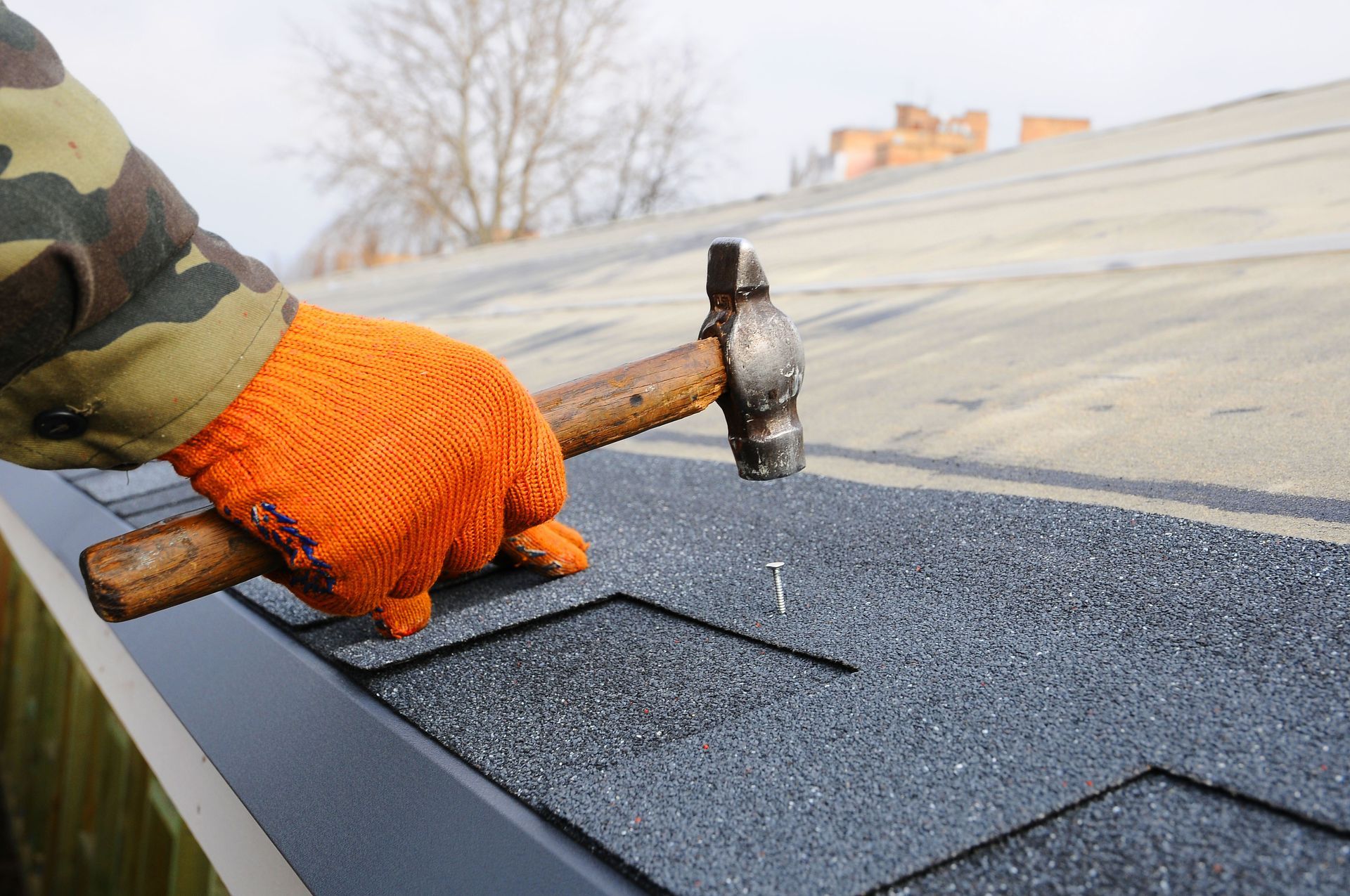
Even high-quality roofing materials can fail when they are installed incorrectly. Misaligned panels, overdriven fasteners, inadequate flashing, and poorly sealed penetrations may create weak points that shorten the roof’s service life. Professional metal roofing services reduce these risks by applying specialized knowledge, tools, and installation procedures.
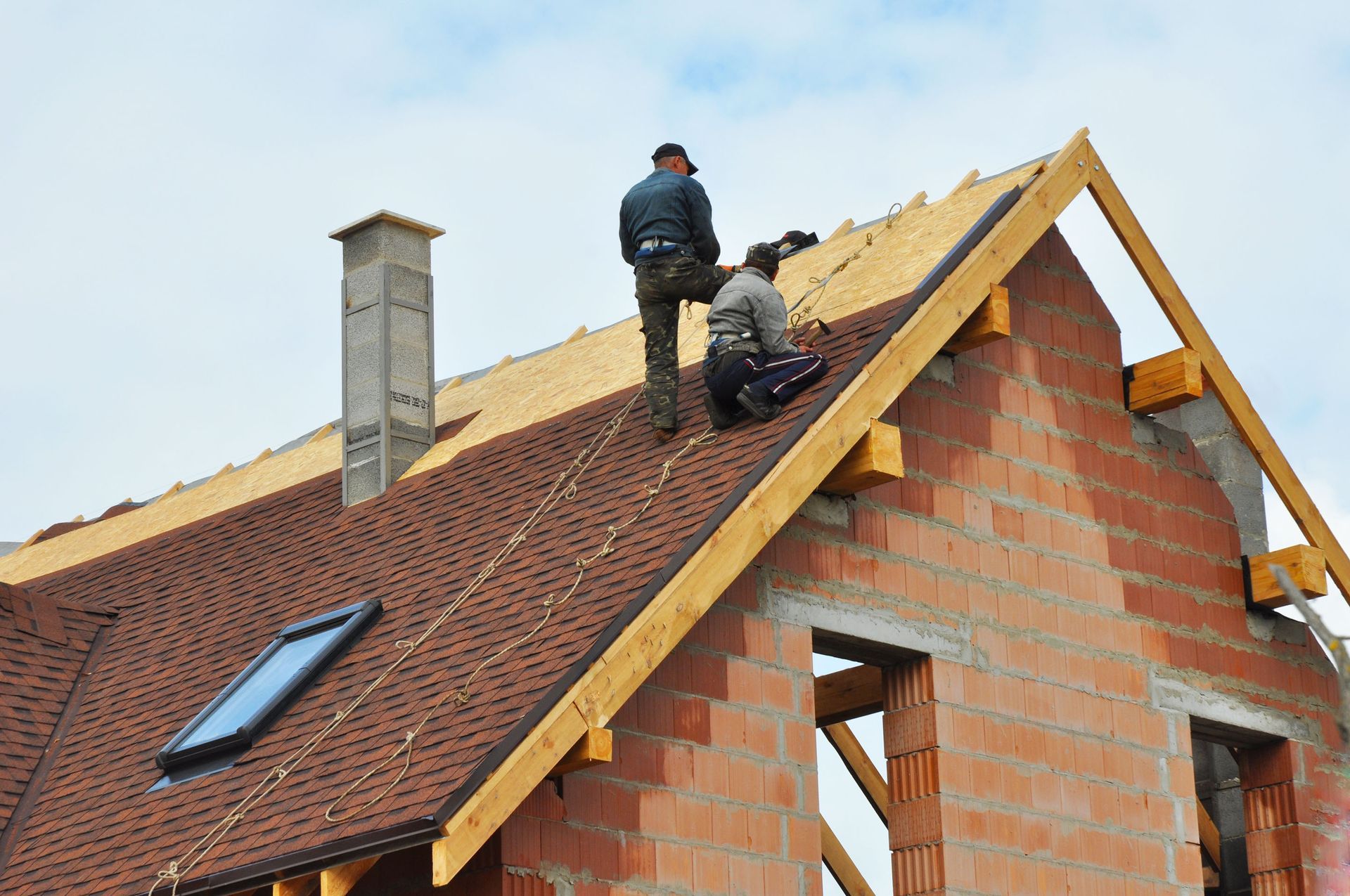
Before work begins, contractors can inspect the existing roof and supporting structure. They may identify damaged decking, moisture concerns, ventilation problems, or framing issues that should be corrected before new panels are installed. Addressing these conditions early helps create a stable foundation and prevents hidden problems from affecting the finished roof.
Contractors also determine whether the existing roof should be removed or whether an approved overlay system is appropriate. The decision depends on local codes, structural capacity, moisture conditions, and the type of roofing already in place. A careful evaluation helps ensure the final system meets performance expectations instead of simply covering unresolved damage.
Supporting Long-Term Maintenance and Protection
A metal roof is durable, but it should not be ignored after installation. Periodic inspections can identify loose fasteners, damaged sealants, scratched coatings, clogged gutters, debris buildup, or movement around flashing. Prompt attention to minor concerns can prevent them from becoming larger leaks or structural problems.
Many metal roofing services include maintenance recommendations based on the specific panel system and environmental conditions. Contractors may advise owners to inspect the roof after major storms, keep branches away from the surface, maintain drainage systems, and avoid walking on panels without proper guidance. These steps help preserve coatings and reduce unnecessary damage.
Professional maintenance also supports warranty compliance. Manufacturers may require particular installation methods, approved components, and documented care for coverage to remain valid. Working with qualified roofing professionals can make it easier to understand these requirements and keep accurate records of inspections or repairs.
A maintenance schedule can also help owners budget for predictable care instead of reacting to unexpected damage. Inspectors can document changes in panel condition, sealants, drainage, and surrounding features over time. This record makes it easier to compare findings, prioritize repairs, and protect the roof before minor wear begins affecting interior spaces.
Metal roofing offers a combination of strength, weather resistance, and long-term performance that can benefit many properties. Its success, however, depends on proper material selection, detailed installation, and consistent maintenance. By using metal roofing services, property owners can address vulnerable areas, improve moisture control, and create a roofing system designed to handle changing conditions for years. Call Consolidated Roofing Contractors, Inc. today to schedule your roofing service.