September 12, 2026
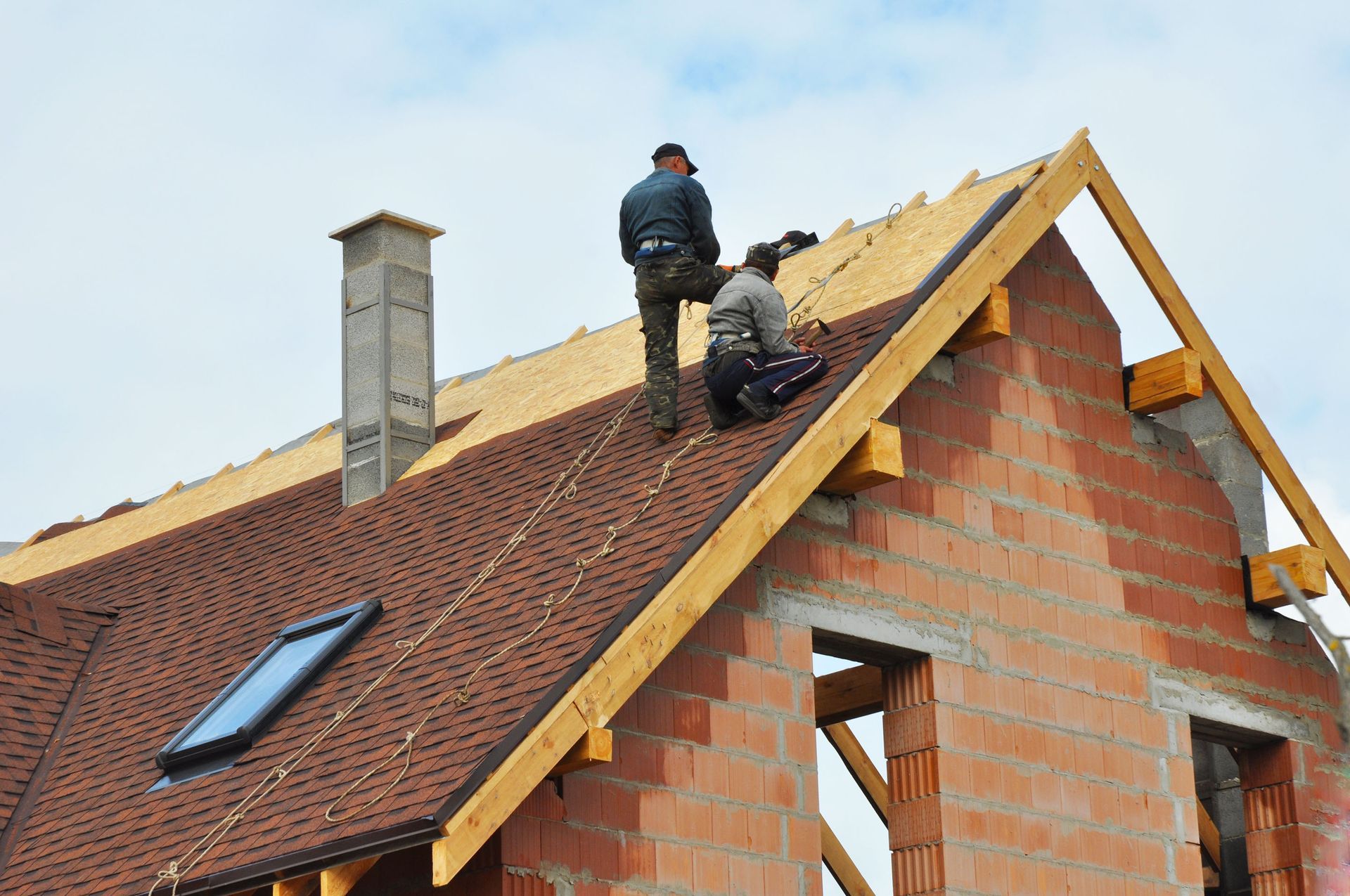
Severe weather events can wreak havoc on a residential property, yet the most dangerous structural threat often lies in invisible, slow-acting decay rather than immediate, obvious destruction. While missing shingles, fallen tree limbs, and broken windows demand instant attention following a major weather event, hidden moisture intrusion and subtle structural compromises frequently go unnoticed by the untrained eye. Wind-driven rain, small hail strikes, and thermal shock can loosen seals, create hairline cracks in flashing, and strip protective mineral granules from upper surfaces without leaving obvious debris in the yard. Over time, unaddressed interior moisture leads to wood rot, compromised insulation performance, structural framing decay, and toxic mold growth within hidden attic spaces. Detecting these subtle warning signs early prevents minor weather-related issues from escalating into astronomical repair bills or full system replacements. Navigating structural post-storm inspections requires a systematic approach that examines both exterior materials and interior living areas for subtle warning signs. Partnering with certified, highly trained roofers ensures that subtle structural defects, hidden leaks, and moisture pathways are identified and repaired before long-term structural damage occurs.
Inspecting Exterior Shingles and Surface Materials
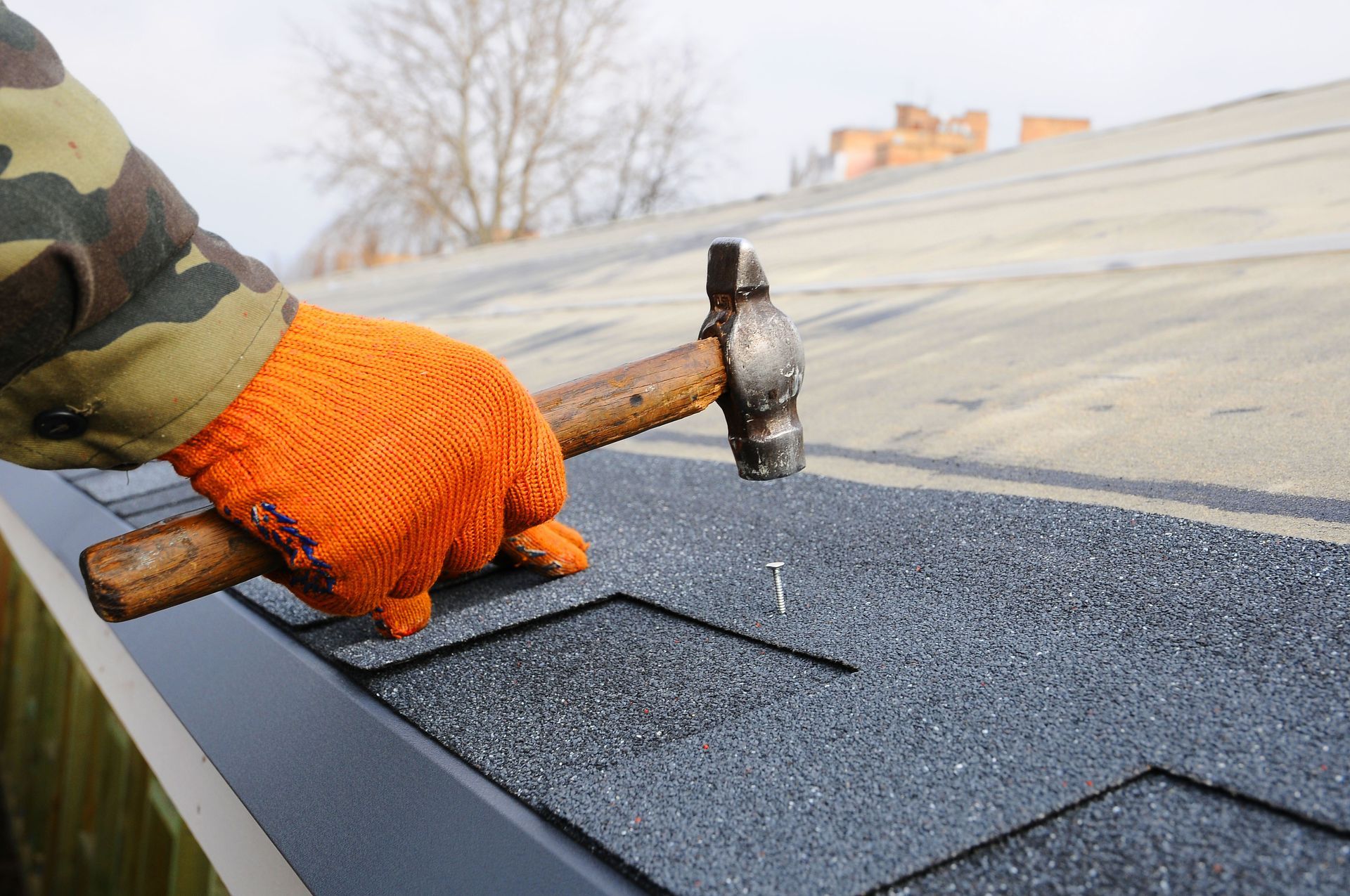
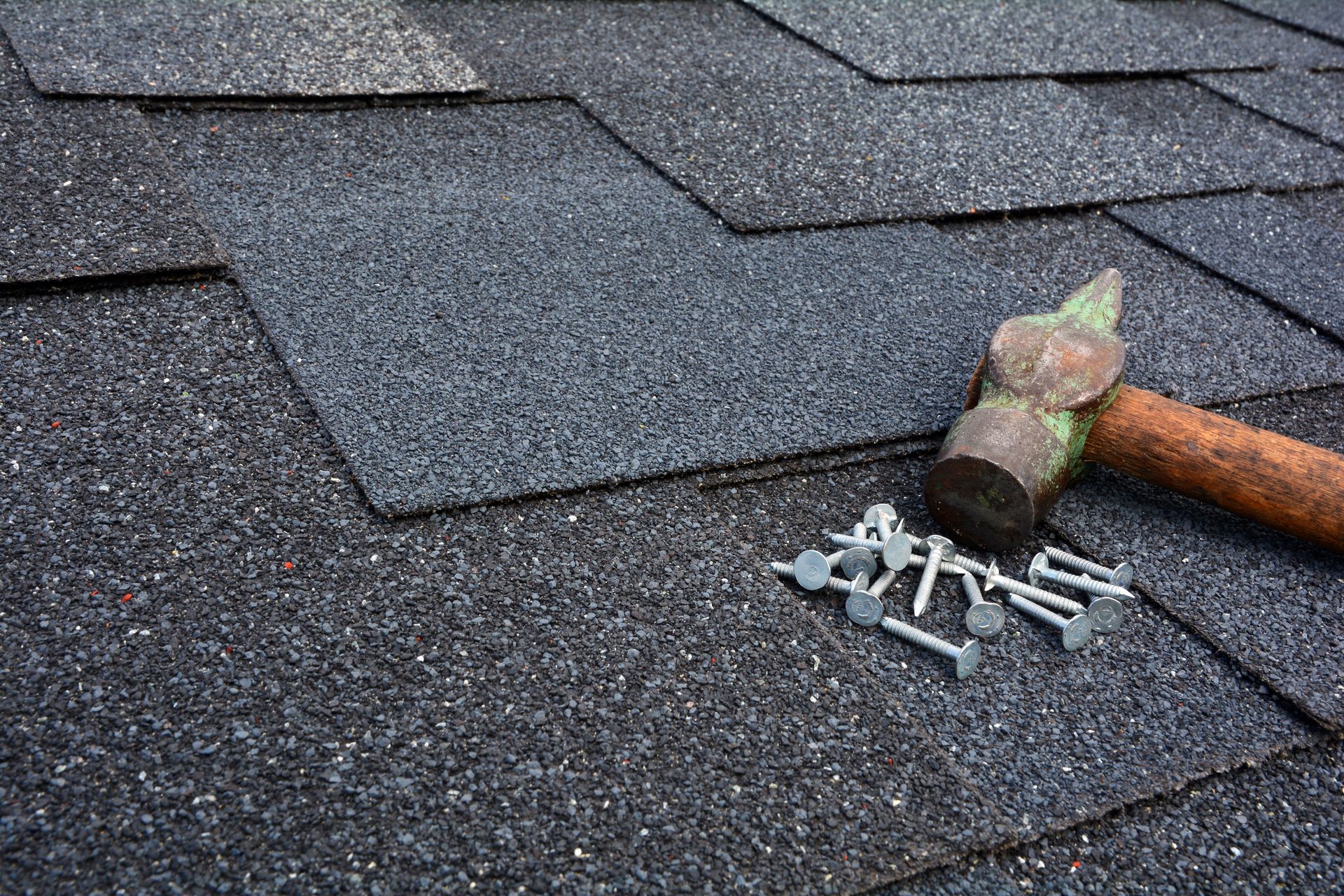
Examining your upper structural surface for subtle surface compromise is a critical initial step after severe weather passes through your area. High wind gusts can lift shingles just enough to break the thermal adhesive seal underneath, allowing water to drive upward during subsequent rainstorms while laying back down flat so the damage remains hidden from ground level. Hail impacts often create small, subtle dimples that bruise the underlying fiberglass mat without cracking the surface material outright, weakening the protective layer over time. Granule loss is another major concern, as severe weather washes away the protective mineral coating that shields underlying asphalt from UV degradation and weather breakdown. Homeowners should check downspout runoffs and gutter troughs for heavy accumulations of displaced mineral granules after major storms. According to Gitnux, 76% of U.S. homeowners chose asphalt shingles for replacement. Scheduling an exterior evaluation with qualified roofers guarantees that subtle mat bruising, broken adhesive bonds, and premature mineral loss are properly diagnosed and addressed.
Examining Attic Spaces and Ceiling Drywall
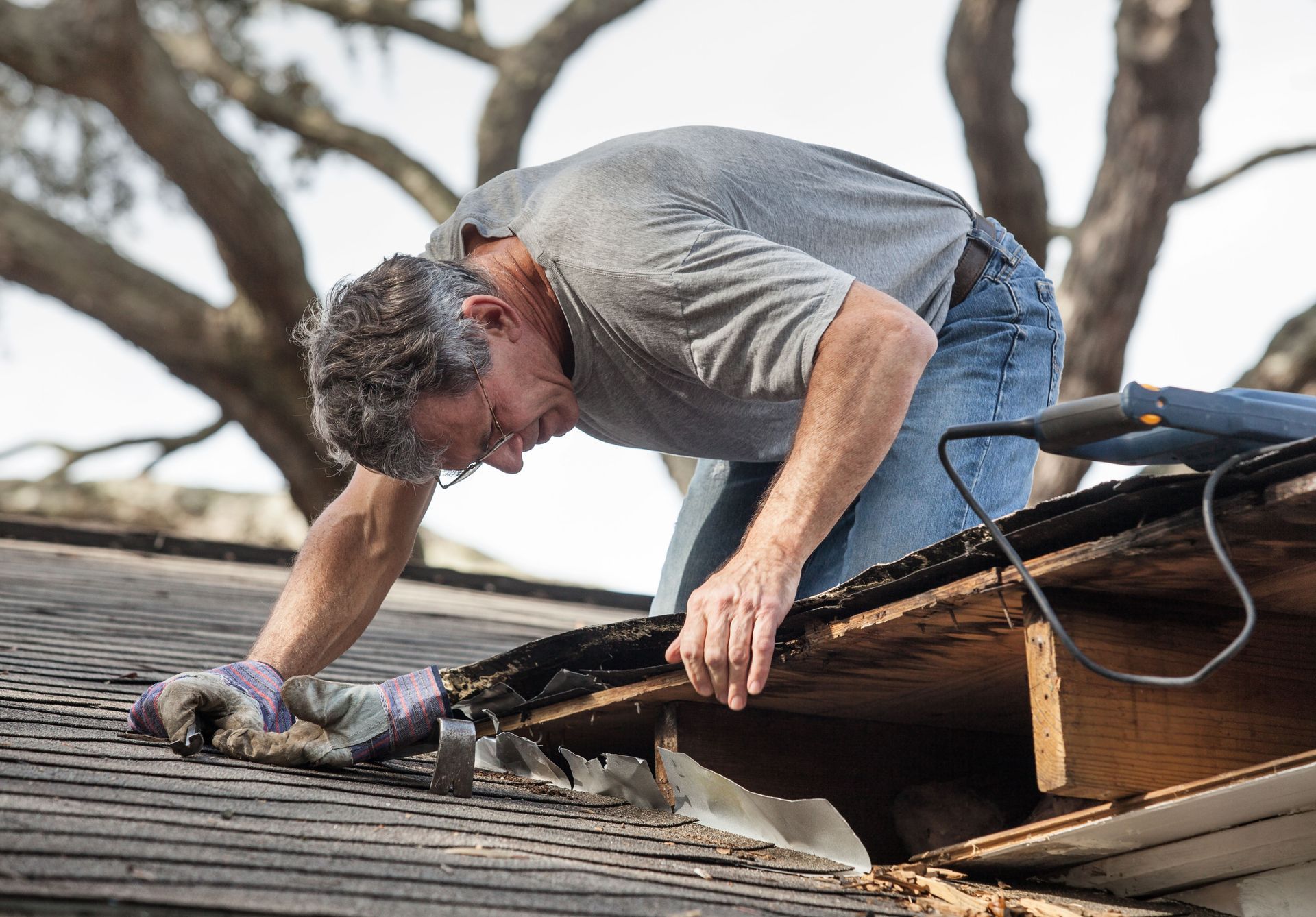
Exploring interior attic spaces provides direct visual evidence of hidden moisture intrusion long before water stains appear on living room ceilings. Attic inspections should be conducted with a high-powered flashlight during bright daylight hours, allowing property owners to check for pinpricks of light penetrating through the roof deck. Looking closely at structural rafters, plywood sheathing, and ceiling joists reveals dark water streaks, active dampness, or localized wood swelling caused by hidden leaks. Insulation that appears matted, discolored, or compressed often indicates that water has been trickling down from an entry point further up the slope. Additionally, persistent musty odors in upper floor closets or attics strongly suggest elevated moisture levels and developing mold colonies within hidden framing cavities. Catching interior dampness early prevents drywall collapse, structural wood rot, and expensive environmental remediation projects throughout your home. Relying on professional roofers for comprehensive attic leak tracing ensures that hidden water entry points are sealed at their true source.
Assessing Flashing Connections and Chimney Seals
Checking metal flashing, chimney boots, and vent pipe seals is essential, as these architectural intersections represent the most vulnerable points on any upper exterior surface. Strong winds and thermal expansion during storms can warp metal valley flashing, loosen rubber pipe boots, or crack the mortar seals around brick chimneys. Even a tiny gap in counter-flashing around a chimney allows wind-driven rain to migrate behind exterior wall claddings, trickling down internal framing unnoticed for months. Gutter connections also demand careful examination, as heavy downpours can pull gutter aprons away from the fascia board, allowing water to overflow behind the gutter line and rot the wood underlying the eaves. Inspecting skylight perimeters, dormer seams, and ridge vent covers ensures that critical waterproof barriers remain tight and fully functional. Addressing minor flashing gaps promptly keeps driving rain from penetrating the core envelope of your home. Consulting with experienced roofers ensures that compromised flashing and failed vent seals are restored to watertight condition.
Evaluating Siding Joints and Window Casings
Surveying vertical exterior walls and window perimeters helps uncover hidden storm damage that affects your home's overall weather barrier. Wind-driven rain often strikes vertical siding at sharp angles, forcing moisture into loose siding seams, unsealed window trim, and exterior wall penetrations. Vinyl or aluminum siding panels can warp, loosen, or crack near fastener points, creating hidden pathways for water to seep directly behind exterior insulation board and wood sheathing. Homeowners should inspect window casings for soft trim boards, cracked exterior caulk lines, or bubbling paint, which frequently indicate active moisture retention within outer wall cavities. Additionally, water cascading off compromised upper gutters can stain, erode, or rot lower exterior wall sections and decorative wood trim. Unchecked wall envelope leaks can degrade structural wall studs, warp interior drywall, and encourage mold propagation inside wall cavities. Engaging skilled roofers helps verify that wall-to-roof intersections and flashing aprons prevent water from migrating into lower wall assemblies.
Documenting Storm Damage for Insurance Claims
Gathering thorough, well-organized documentation immediately following a storm simplifies the insurance claim process and ensures fair coverage for required repairs. Property owners should take clear, high-resolution photographs of any visible property damage, including ground-level debris, dented metal gutters, loose siding, and interior water spots. Keeping a detailed log of storm dates, weather conditions, and initial observation times creates an undisputed historical timeline for insurance adjusters to review. It is crucial to avoid attempting dangerous high-altitude inspections yourself, as wet surfaces, loose materials, and compromised structural sections present severe fall hazards. Instead, professional inspection reports, complete with aerial imagery, moisture meter readings, and detailed repair estimates, provide the authoritative evidence needed to substantiate your insurance claim. Partnering with licensed roofers provides insurance adjusters with accurate, professional documentation that supports your claim.
Establishing Preventive Maintenance and Inspection Routines
Implementing a regular, twice-yearly professional maintenance routine protects your real estate investment from cumulative, hidden weather deterioration. Over time, seasonal freeze-thaw cycles, high summer heat, and winter ice dams place continuous mechanical stress on exterior building materials, slowly weakening seams and seals. Routine post-storm and seasonal inspections catch minor issues—such as single loose shingles, minor sealant gaps, or clogged valley drains—before they evolve into widespread structural failures. Professional maintenance services also include clearing debris from roof valleys, re-sealing exposed fastener heads, and checking ventilation performance to maintain optimal attic temperature and moisture balance. Proactive care significantly extends the operational lifespan of exterior materials, postponing expensive full-scale replacement projects for many years.
Maintaining detailed service records also enhances property resale value by demonstrating consistent, high-quality care to prospective home buyers. Working alongside trusted roofers keeps your home fully protected against nature's unpredictable weather cycles year after year.
Detecting hidden storm damage early shields your residence from progressive structural rot, interior water ruin, and costly emergency repairs. From evaluating exterior shingle mats and inspecting dark attic spaces to verifying metal flashing integrity, documenting claim evidence, and maintaining seasonal care routines, professional oversight safeguards your entire home envelope. Taking a proactive stance toward post-storm property evaluations ensures that minor weather impacts are resolved before compromising your family's safety and comfort.
Protecting your valuable real estate asset requires expert diagnostic skills, safety equipment, and top-tier roofing materials. At Consolidated Roofing Contractors, Inc, we take immense pride in providing comprehensive post-storm inspections, precision leak repairs, complete roof replacements, and dedicated client service across every property we serve. Contact us today to schedule your thorough post-storm evaluation, explore our full range of protective roofing options, and experience how our expert team keeps your home secure, dry, and resilient.