October 10, 2026
Choosing the right roofing material is an important decision for homeowners planning a new installation or replacing an aging roof. The material affects durability, appearance, maintenance requirements, energy efficiency, and long-term costs. Metal roofing and asphalt shingles are two popular options, but each offers different advantages depending on the home's design, local climate, and budget. Some homeowners prioritize affordability and traditional curb appeal, while others prefer a roofing system designed for an extended service life. Comparing these options before beginning a project can help property owners make a more informed decision. Professional metal roofing services can help homeowners evaluate material choices, installation requirements, and the features that matter most for their properties. Understanding the differences between metal panels and asphalt shingles also makes it easier to compare estimates accurately. With careful planning, homeowners can choose a roofing system that meets their practical needs and complements their home.
Comparing Durability and Expected Lifespan
Durability is often one of the first considerations when comparing roofing materials. Metal roofs are available in materials such as steel, aluminum, and copper, each with different performance characteristics and maintenance needs. Properly installed metal panels can resist many common sources of roof deterioration, although their performance depends on the material, coating, installation quality, and environmental exposure. Asphalt shingles use a layered construction that provides protection against rain, sunlight, and everyday weather conditions. Their service life can vary according to shingle quality, ventilation, installation practices, and climate. According to HomeGuide, a correctly installed and maintained metal roof may last 30 to more than 80 years, depending on its location, design, and the type of metal used. Homeowners considering metal roofing services should discuss these variables rather than relying on a single lifespan estimate. Comparing expected service life with initial cost can provide a clearer picture of long-term value.
Evaluating Initial Costs and Long-Term Expenses
The initial price of a roofing project can influence which material a homeowner selects. Asphalt shingles generally have a lower upfront installation cost, making them attractive for homeowners working within a limited budget. Metal roofing often requires a larger initial investment because material prices, specialized components, and installation requirements can increase project expenses. However, the total cost of ownership includes more than the amount paid on installation day. Homeowners should consider future repairs, replacement frequency, maintenance needs, and the potential expense of addressing weather-related damage. Metal roofing services can provide estimates that explain material choices, labor requirements, and any additional work needed to prepare the existing roof. Asphalt shingles may remain a practical option when affordability and a familiar appearance are the primary priorities. Reviewing detailed estimates for both materials helps homeowners compare similar project scopes instead of choosing based on headline prices alone.
Assessing Weather Resistance and Climate Suitability
Local weather conditions play a significant role in determining which roofing material performs best. Metal roofing can provide strong resistance to rain and many forms of severe weather when the system is correctly designed and installed. Its performance during high winds depends on the panel design, fastening method, roof geometry, and compliance with applicable building requirements. Asphalt shingles also provide reliable weather protection when installed according to manufacturer specifications and maintained appropriately. However, damaged or missing shingles may expose underlying roof components to moisture. Homeowners exploring metal roofing services should ask how the proposed system will perform under local wind, rainfall, temperature, and corrosion conditions. Coastal environments may require special attention to metal selection, protective finishes, and compatible fasteners. Selecting materials based on local exposure helps homeowners balance durability with the specific challenges their roofs are likely to face.
Comparing Energy Efficiency and Indoor Comfort
Roofing materials can influence how much heat enters a home, although the overall result depends on several factors. Certain metal roofing products have reflective finishes that reduce solar heat absorption, potentially helping lower cooling demands under suitable conditions. The color and finish of the roof can affect this performance, as can attic ventilation and insulation. Asphalt shingles are available in different colors and product designs, with some options engineered to improve solar reflectance. Neither material automatically guarantees lower energy bills because household energy use also depends on windows, air leakage, HVAC efficiency, and local weather. Metal roofing services can help homeowners identify products with relevant energy performance ratings and explain how roofing choices interact with the rest of the building envelope. Proper ventilation and insulation should be considered alongside the roofing material. Looking at the entire roof assembly provides a more realistic basis for evaluating comfort and potential energy savings.
Choosing a Style That Complements the Home
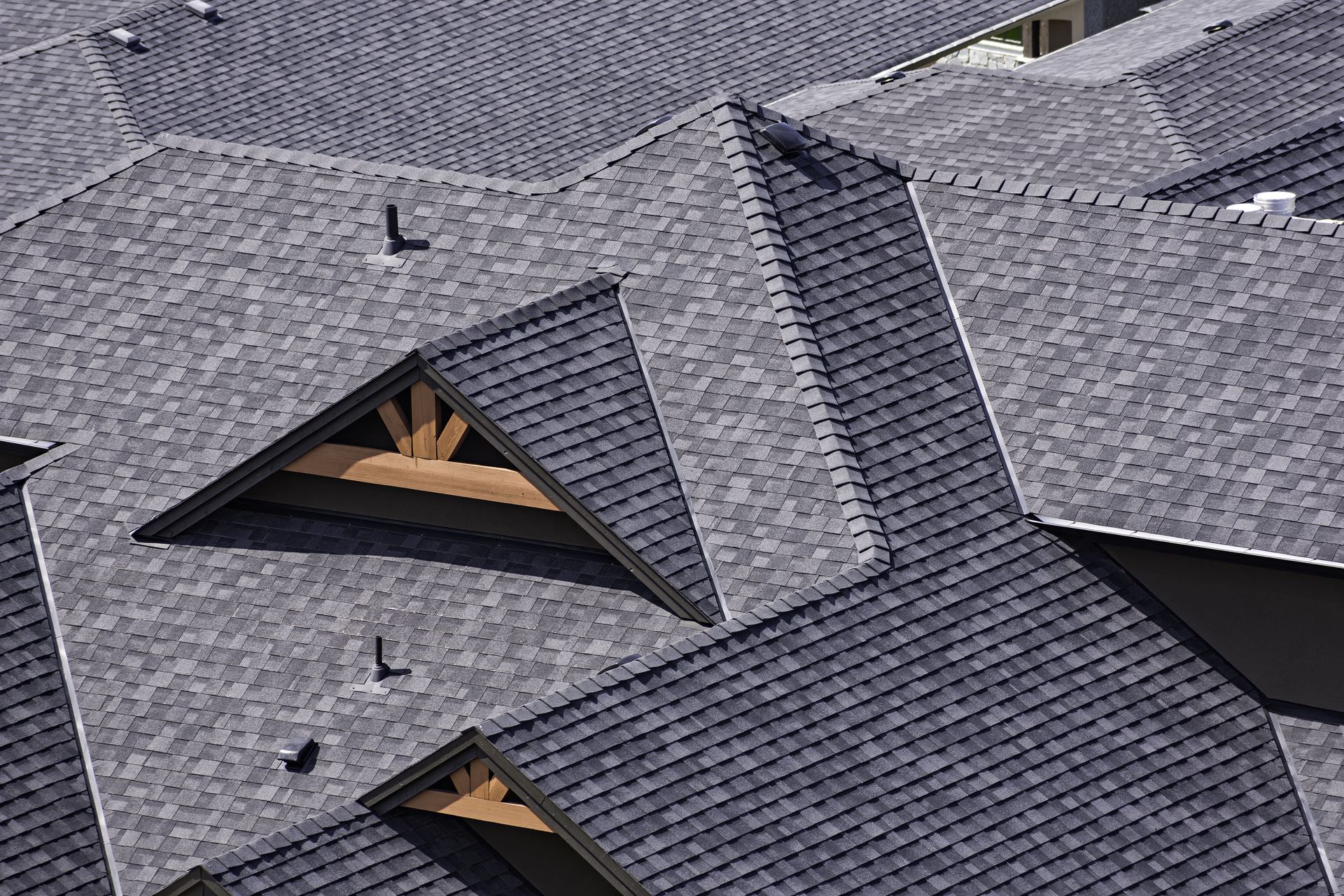
A roof contributes significantly to a property's overall appearance. Asphalt shingles are available in numerous colors and styles, including architectural designs that create a dimensional, textured look. Their traditional appearance can complement many home styles, making them a familiar choice for residential neighborhoods. Metal roofing is also available in different profiles, colors, and finishes, ranging from standing-seam panels to products designed to resemble traditional shingles or tiles. The best option depends on the home's architecture, exterior colors, and the appearance the homeowner wants to achieve. Metal roofing services can help property owners compare suitable profiles and finishes before making a final selection. Homeowners should also consider neighborhood requirements or homeowners association guidelines that may restrict certain colors or materials. Evaluating samples in natural light can make it easier to choose a roof that complements siding, trim, and other exterior features.
Understanding Maintenance and Repair Requirements
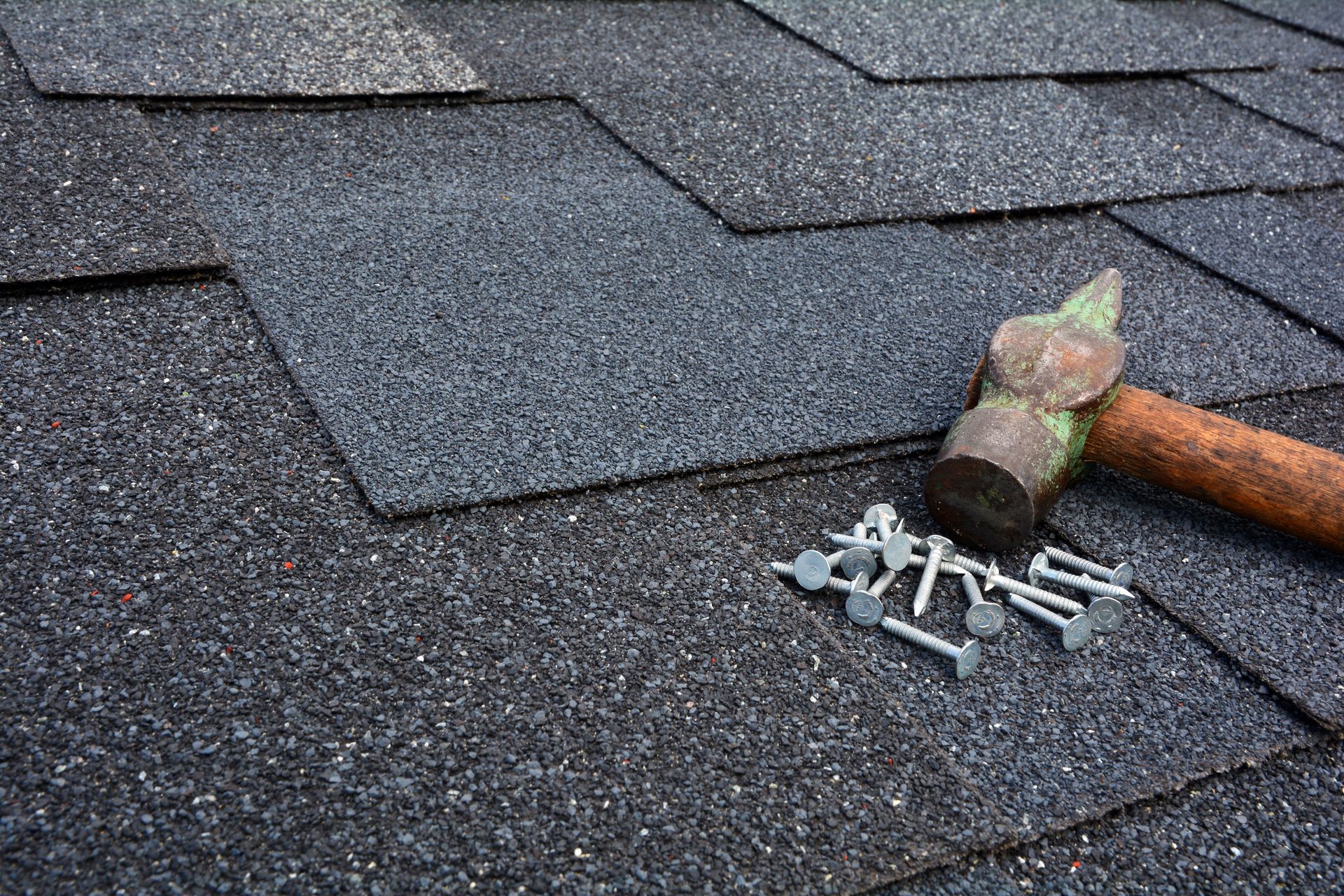
Every roofing system benefits from periodic inspections and timely repairs. Asphalt shingles may require attention when individual shingles crack, curl, loosen, or disappear after strong winds. Metal roofs can also develop problems, including damaged coatings, loose fasteners, failed sealants, or issues around flashing and penetrations. The maintenance needs of a metal roof depend partly on the panel system and the materials used during installation. Homeowners should arrange inspections after significant weather events and address visible damage before water reaches vulnerable roof components. Metal roofing services can help identify problems that require professional attention and recommend appropriate repairs. Keeping gutters clear and ensuring that water drains correctly can also protect the roof and surrounding structures. Routine maintenance supports the performance of either material and may help prevent small issues from becoming expensive repairs.
Matching Installation Requirements to Project Needs
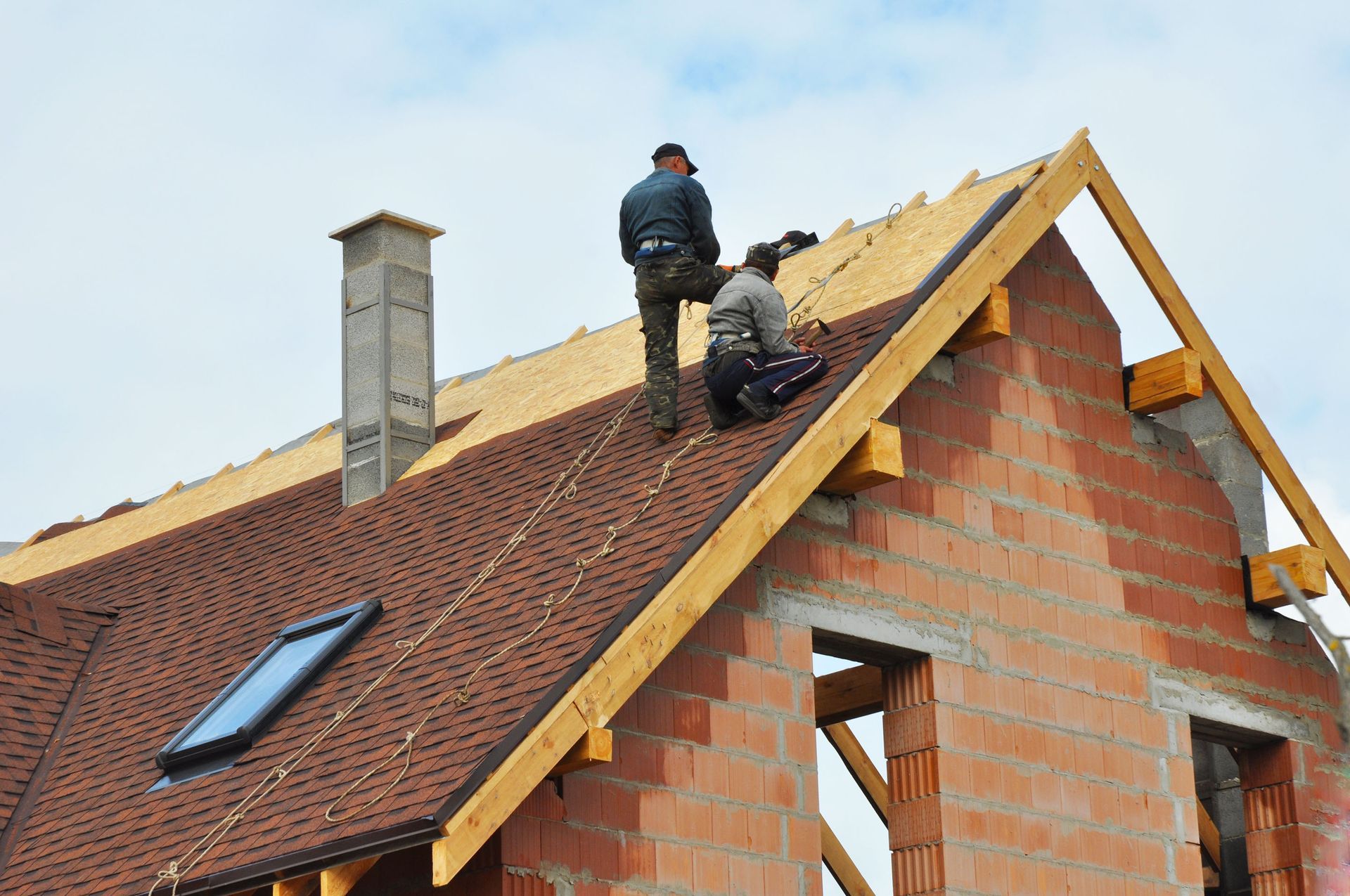
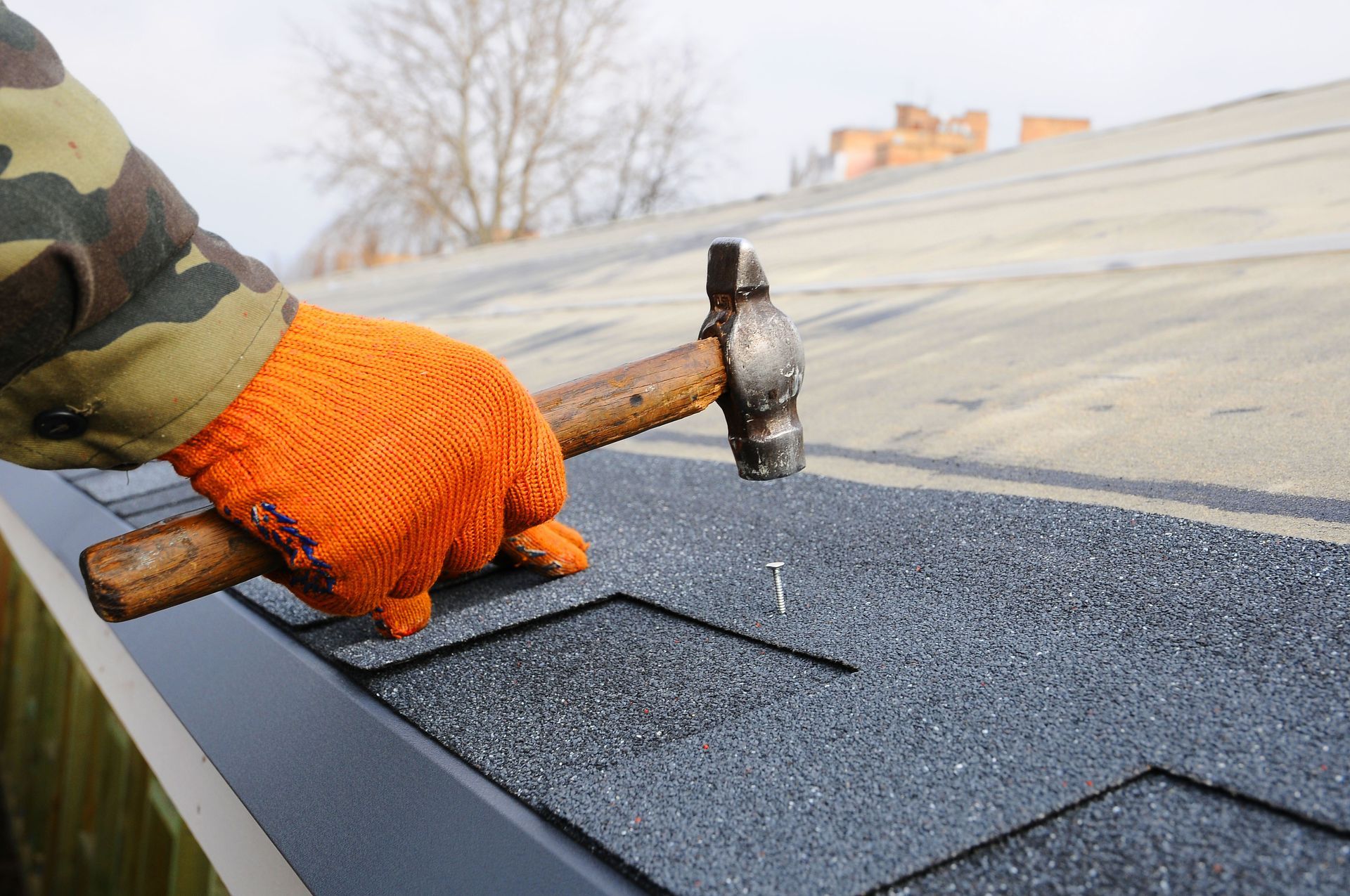
The installation process can differ substantially between metal roofing and asphalt shingles. Shingle installation involves preparing the roof deck, applying suitable underlayment, and placing shingles according to the manufacturer's requirements. Metal roofing installation requires careful attention to panel alignment, fastening, flashing, seams, and thermal movement where applicable. Existing roof conditions may also affect whether the old material needs to be removed before the new system is installed. Metal roofing services should include an assessment of roof structure, drainage, penetrations, and local code requirements before work begins. Contractors should explain the proposed installation method and identify any necessary repairs to the roof deck or supporting components. Proper installation is essential because even high-quality materials can underperform when details are handled incorrectly. Comparing installation plans alongside material prices helps homeowners understand what each estimate includes.
A successful roofing project begins with understanding the differences between available materials and how each option fits the home. Metal roofing and asphalt shingles offer distinct combinations of cost, durability, appearance, and maintenance requirements. Reviewing these considerations with an experienced contractor can help homeowners avoid decisions based solely on upfront price or appearance. Consolidated Roofing Contractors, Inc can help property owners evaluate their roofing needs and explore suitable installation options. Contact us to discuss your roofing project, compare available materials, and determine the right solution for your home.