July 23, 2026
Understanding the elements that contribute to a roof's longevity is a primary concern for modern property owners. A residential roof's ultimate lifespan is dictated by material quality, installation precision, and preventative maintenance strategies. This comprehensive blueprint analyzes the structural variables, environmental stressors, and technological innovations required to maximize your overhead infrastructure. By implementing these expert frameworks, you can dramatically extend the structural integrity of your home, protect your interior living spaces, and optimize your capital investment over a multi-decade timeline.
Selecting Premium Materials
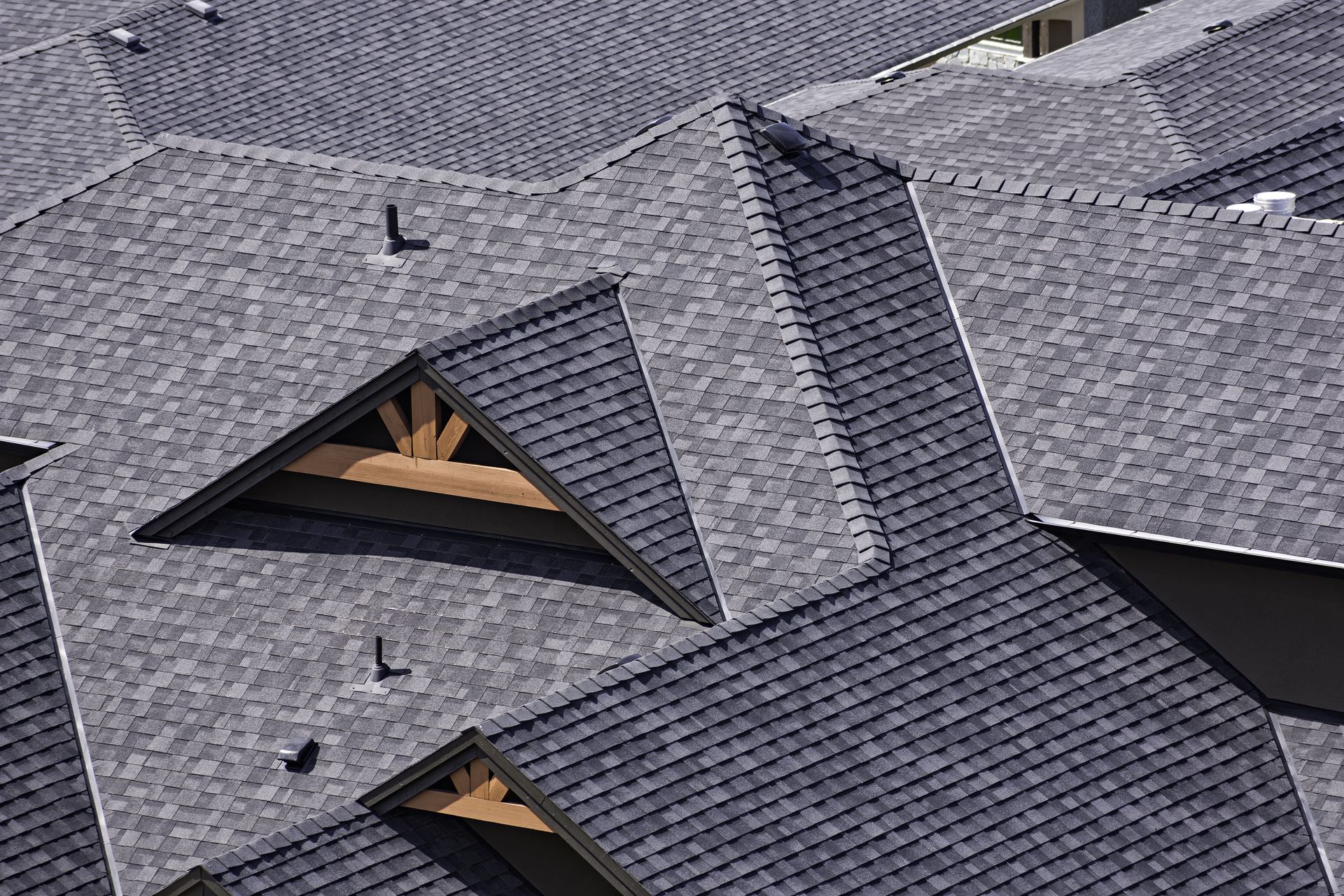
Asphalt shingles remain a dominant choice for traditional homes due to their upfront affordability and straightforward installation workflows. These systems generally deliver an operational lifespan of 15 to 30 years, though their performance depends heavily on the local climate and the grade of the shingles selected. While architectural variants offer enhanced visual depth, basic asphalt formulations remain susceptible to thermal shock, high winds, and cracking. Working with an established roofing company ensures that you select heavy-duty shingles featuring high wind ratings, which helps prevent premature shingle blow-offs during severe storms.
Engineering High-Load Metallurgy
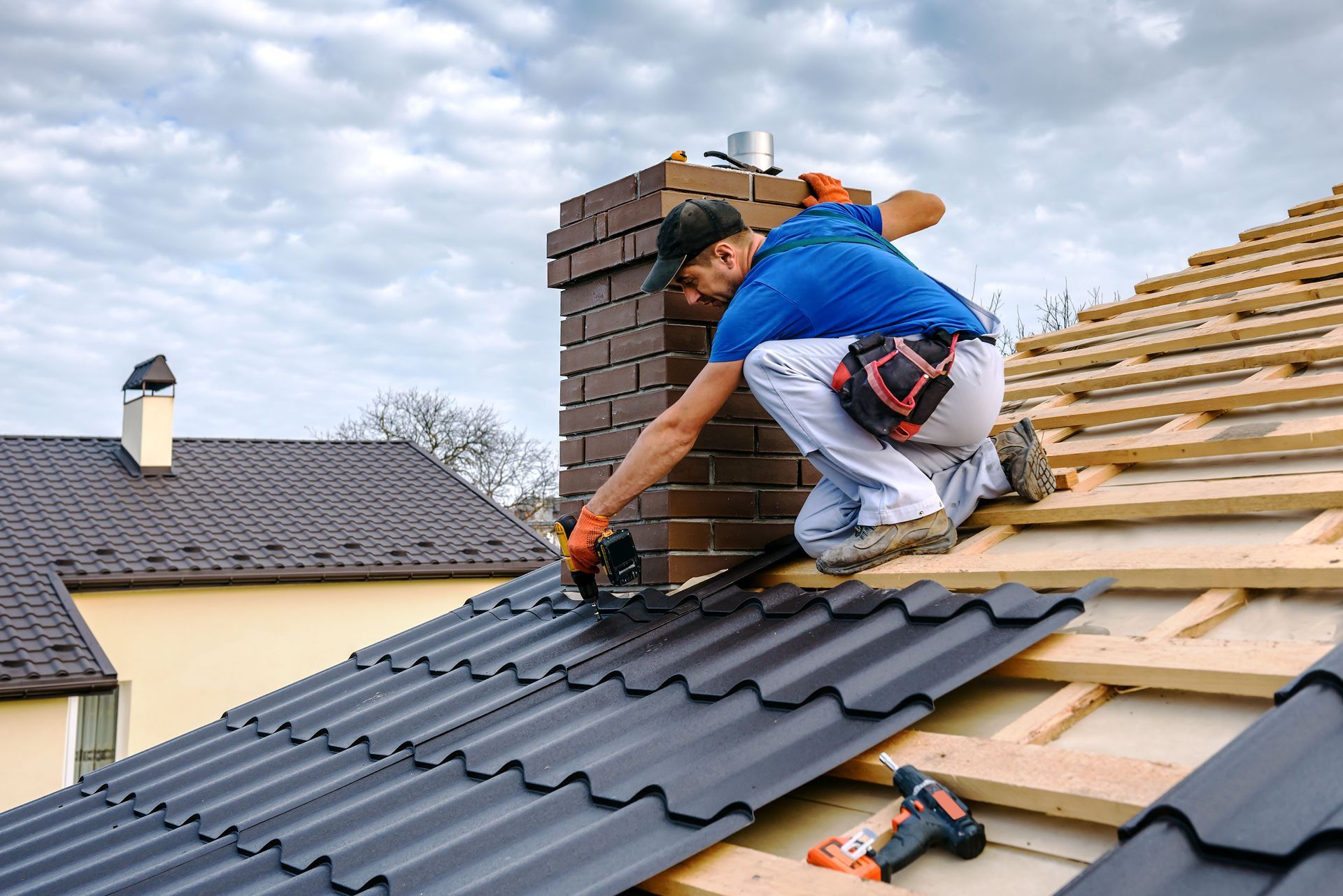
Metal infrastructure offers exceptional durability, frequently lasting between 40 and 70 years when properly engineered. According to Today's Homeowner, metal roofs, when properly installed, are able to support snow loads over 60 pounds per square foot, making them ideal for areas with heavy snowfall. This structural strength allows metal systems to withstand extreme hail and high winds that would destroy traditional asphalt shingles. Additionally, modern reflective metal coatings reduce heat absorption, lowering household cooling costs and providing exceptional long-term financial returns for property owners looking to maximize their utility budgets.
Preserving Structural Tile Systems
Clay and concrete tile systems are celebrated for their classic architectural appeal and incredible longevity, frequently lasting over a century. These materials are highly favored in hot, arid climates because of their natural thermal mass and inherent fire resistance. However, the immense weight of tile infrastructure requires a robust structural framework capable of supporting the dead load. Engaging a certified roofing company to perform a comprehensive rafters audit before installation ensures that your home’s framing can safely bear the weight, preventing structural sagging over time.
Managing Organic Wood Shakes
Wood shingles and shakes deliver a classic, rustic appearance but require diligent, active maintenance to achieve their 20-to-40-year lifespan potential. Because natural wood is vulnerable to rot, moss growth, and insect infestation, it must be treated regularly with specialized copper-based preservatives and fire retardants. Skipping these routine chemical applications significantly accelerates rot, particularly in damp or shaded environments. Homeowners must commit to routine surface treatments to keep the wood breathing properly and to prevent water from pooling beneath the overlapping shakes.
Deploying Synthetic Composites
Synthetic composite shingles engineered from advanced polymers, rubber, and plastics represent a major technological leap forward in home protection. These lightweight materials perfectly replicate the upscale look of natural slate or hand-split wood shakes while offering superior impact resistance against heavy hail. Synthetic systems boast operational lifespans ranging from 30 to 50 years and do not require the structural reinforcement of clay tile or the intense maintenance of natural wood. This makes them an exceptionally cost-effective alternative for long-term property protection.
Vetting Licensed Contractors
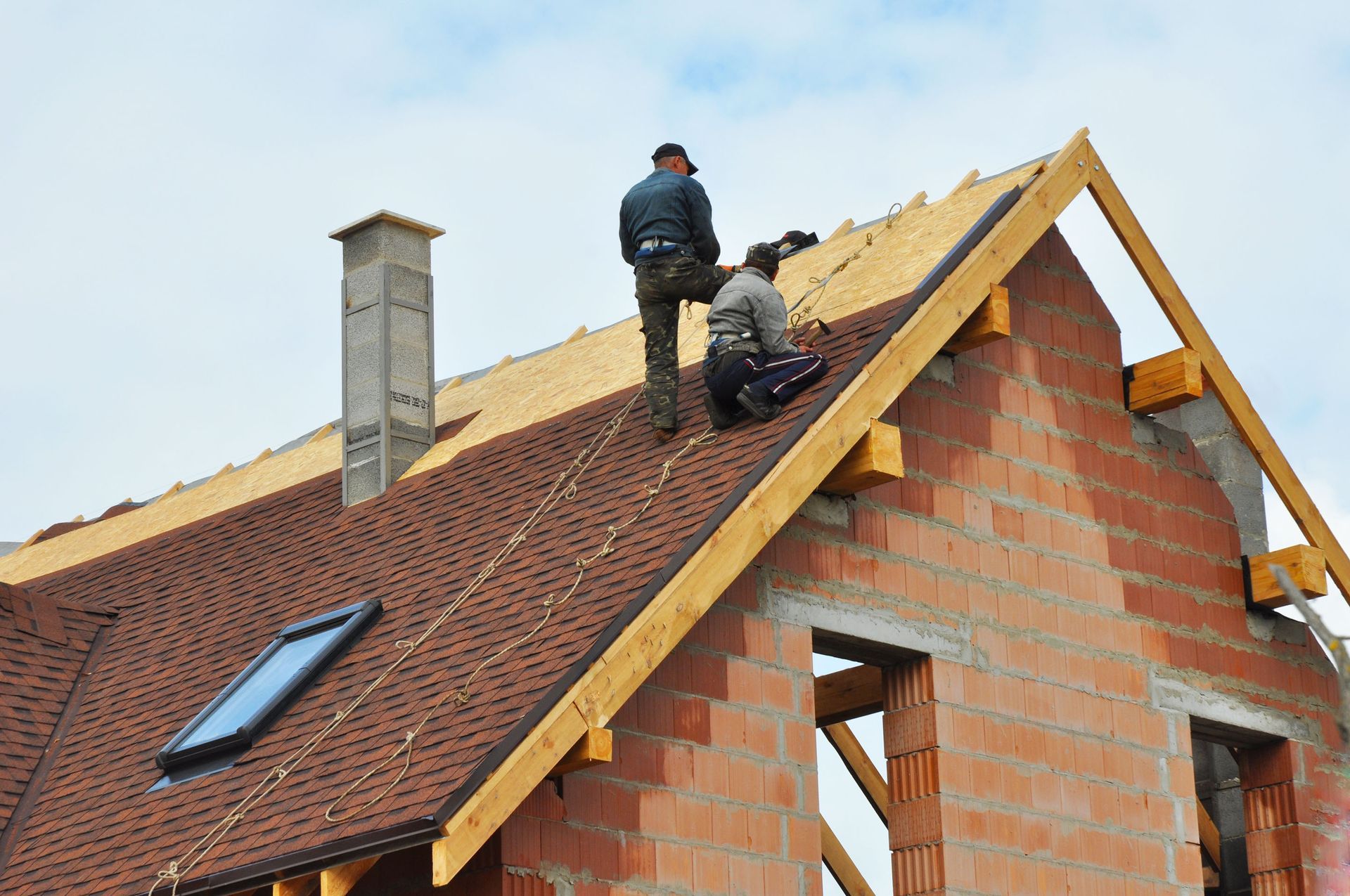
Securing a high-quality installation requires partnering with a fully licensed, insured, and manufacturer-certified general contractor. Independent studies confirm that installation errors, rather than material defects, cause the vast majority of early roof failures. A credentialed roofing company brings the necessary technical expertise, compliance with local building codes, and direct access to extended manufacturer warranties that protect your investment. Verifying a contractor’s references, state licenses, and workers' compensation insurance protects you from liability and ensures compliance with strict local construction standards.
Mastering Installation Precision
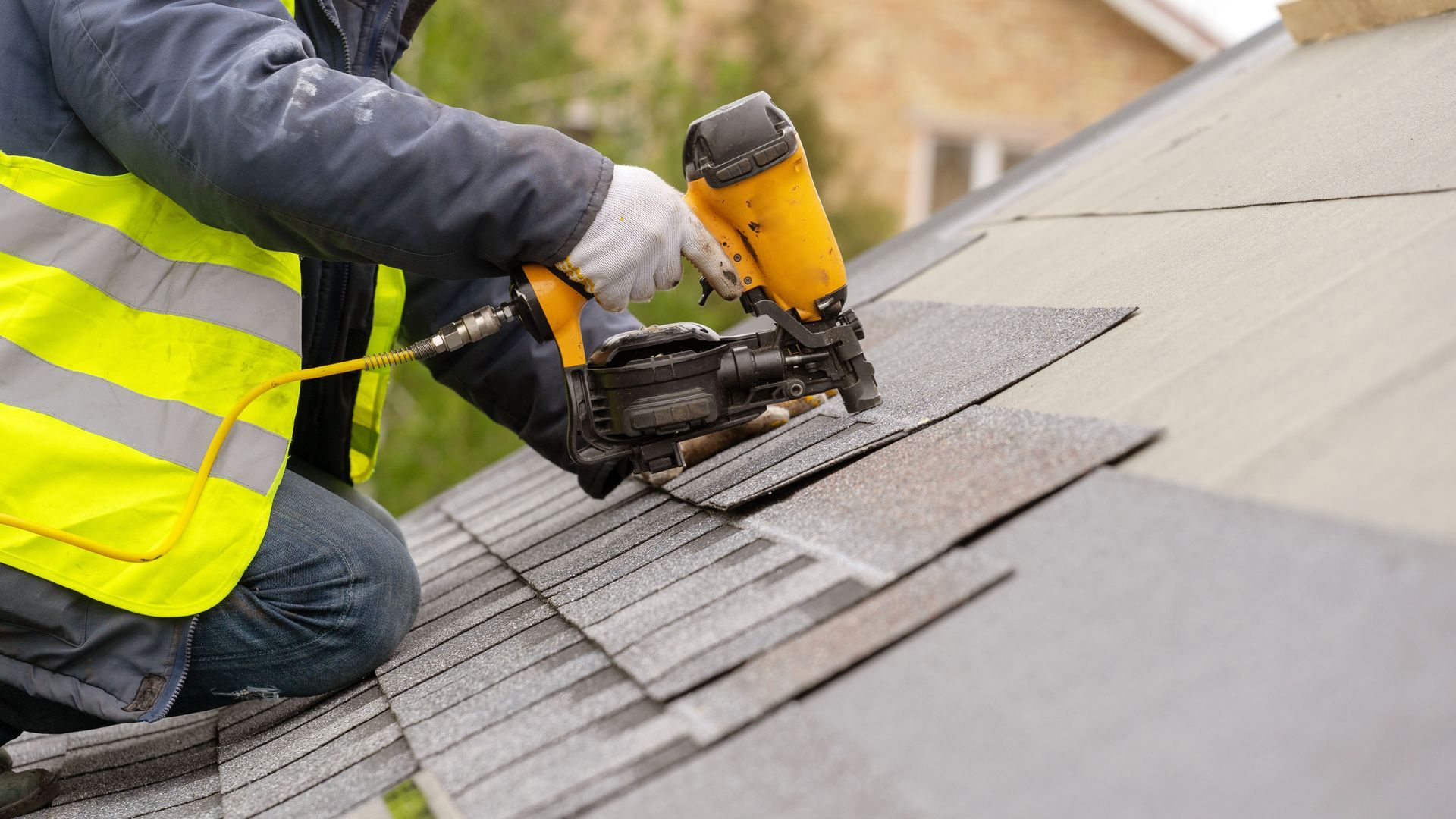
Employing exact, industry-approved installation techniques is critical to ensuring your overhead protection lasts as long as possible. Precision workflows, including correct shingle overlapping, calibrated nail gun pressure, and the flawless integration of ice and water shields, directly determine how well the system resists leaks. Minor mistakes during construction can allow water to bypass the primary barrier, rotting the underlying plywood decking. Homeowners must verify that their chosen crew follows the manufacturer's exact specifications, especially around critical high-risk areas like valleys and dormers.
Fixing Ventilation Dynamics
Maintaining a balanced attic ventilation system is essential for preventing structural wood rot and extending the life of your shingles. Proper airflow allows trapped heat and moisture to escape from the attic floor, keeping the roof deck cool. Poor ventilation can bake asphalt shingles from the inside out, causing early blistering, warping, and granule loss. Additionally, trapping winter moisture in an unventilated attic can lead to severe condensation, mold growth, and structural decay, making proper ridge and soffit vent alignment a top priority during any home renovation.
Adapting to Regional Climates
Adapting your construction strategies to local weather patterns is a critical step in preventing early material breakdown. Coastal properties require specialized, corrosion-resistant stainless steel fasteners to withstand salty air, while mountainous areas require thick ice-dam protection membranes along the eave lines. Consulting with a knowledgeable roofing company allows you to tailor your material selection to your specific climate zone. This targeted approach ensures your home can handle local weather extremes, preventing costly structural damage from heavy snow loads or intense summer heat.
Resisting Severe Storm Impacts
High-speed winds and sudden storms can cause immediate, severe damage to a home by tearing away shingles and exposing the underlayment. Property owners can minimize this risk by choosing high-impact materials and ensuring their installation crew uses reinforced six-nail fastening patterns. It is crucial to have a professional roofing company inspect your home immediately after a major storm to spot hidden hail bruises or lifted shingles. Fixing these minor storm impacts right away prevents water from leaking into your home and causing major interior damage.
Maximizing Long-Term Investment Returns
Deciding on a new roof requires a careful look at the long-term balance between upfront material costs and future maintenance expenses. While premium options like metal or tile require a larger initial investment, they eliminate the need for a costly replacement every fifteen years. Investing in durable materials can also lower your homeowners insurance premiums and boost your property's resale value. Taking an analytical approach to your budget ensures you select a system that delivers maximum protection and strong financial returns over time.
Navigating Extended Workmanship Warranties
Understanding the details of your warranty coverage is essential for protecting your home investment over the long haul. A comprehensive warranty system should clearly separate the manufacturer's material coverage from your contractor's workmanship guarantees. Reviewing these terms carefully allows you to confirm that your coverage remains valid, as some manufacturers will void warranties if materials are installed over poor ventilation. Working with an elite, certified roofing company ensures your system is installed in strict compliance with manufacturer rules, giving you reliable protection for decades to come.
Optimizing a roof's operational lifespan requires careful planning, smart material selection, and a commitment to routine preventative maintenance. Every decision you make, from picking the right shingle grade to keeping your gutters clear, directly impacts how well your home stands up to the elements. Understanding how regional weather patterns, attic ventilation, and modern material technologies interact allows you to protect your property investment and avoid unexpected repair costs. By taking a proactive approach to your overhead infrastructure, you keep your home safe, dry, and secure for years to come. To secure expert inspections, advanced material options, and certified installation services tailored to your property, partner with Consolidated Roofing Contractors, Inc.