November 21, 2026
Choosing the right roofing material is an important decision for any property owner. Metal roofing has become an increasingly popular option for both residential and commercial buildings because of its durability, versatility, and range of design possibilities. Whether you're planning a new construction project or considering an upgrade to an existing roof, understanding the benefits of metal can help you determine whether this material is a good fit for your property.
1. Long-Lasting Durability
One of the most appealing qualities of metal roofing is its ability to withstand years of exposure to outdoor conditions. Unlike some traditional roofing materials that may deteriorate, crack, or lose protective granules over time, properly installed metal roofing systems can provide decades of service. Their durability makes them an attractive choice for property owners who want a dependable roofing solution without frequent replacement.
This longevity can benefit both homes and commercial buildings. Residential properties gain a roof designed to protect the structure through changing seasons, while commercial property owners can reduce the disruptions associated with recurring roofing projects. The exact lifespan depends on the metal type, coating, installation quality, maintenance, and local climate, but metal is widely valued for its long-term performance.
2. Reliable Protection Against Harsh Weather
Roofs are constantly exposed to rain, wind, sunlight, and temperature changes. Metal roofing is designed to handle many of these challenges, making it a practical option in areas where weather conditions can be demanding. Properly installed panels and fastening systems help create a protective exterior that sheds rainwater and provides resistance to wind and other environmental stresses.
For residential properties, this protection helps safeguard the home's interior, insulation, and structural components. Commercial buildings can also benefit from a roofing system that supports the protection of offices, inventory, equipment, and other valuable assets. Property owners should still select a system appropriate for their region, as performance depends on the specific materials, installation methods, and applicable building requirements.
3. Energy Efficiency and Indoor Comfort
Metal roofing can contribute to improved building energy performance, particularly when the system includes reflective finishes designed to reduce heat absorption. Some metal roofing products reflect a portion of the sun's energy rather than allowing the roof surface to absorb as much heat. This can help limit heat transfer into the building and reduce the demand placed on cooling equipment during warmer months.
For homeowners, this benefit may support more comfortable indoor temperatures and potentially lower cooling costs. Commercial property owners may also appreciate the opportunity to improve energy performance across larger buildings, where heating and cooling expenses can represent a significant operating cost. Insulation, ventilation, roof color, and the overall building design also influence energy use, so metal roofing should be considered as one part of a complete building-efficiency strategy.
4. A Variety of Styles and Finishes
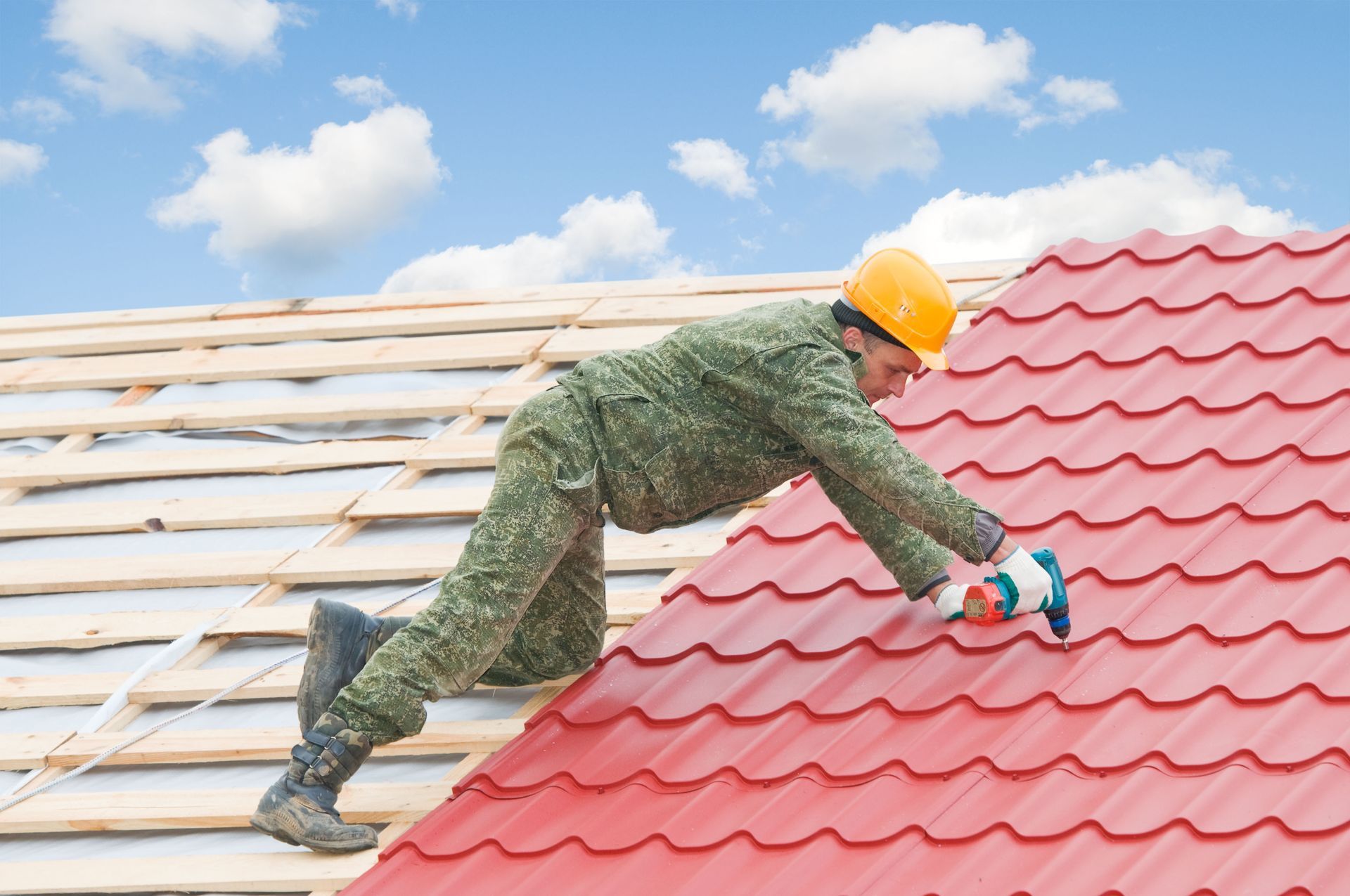
Metal roofing is available in a wide range of profiles, colors, textures, and finishes. This flexibility allows property owners to choose an appearance that complements the building's architecture rather than treating the roof as a purely functional feature. Some products have a traditional standing-seam appearance, while others are designed to resemble shingles, tiles, or other familiar roofing materials.
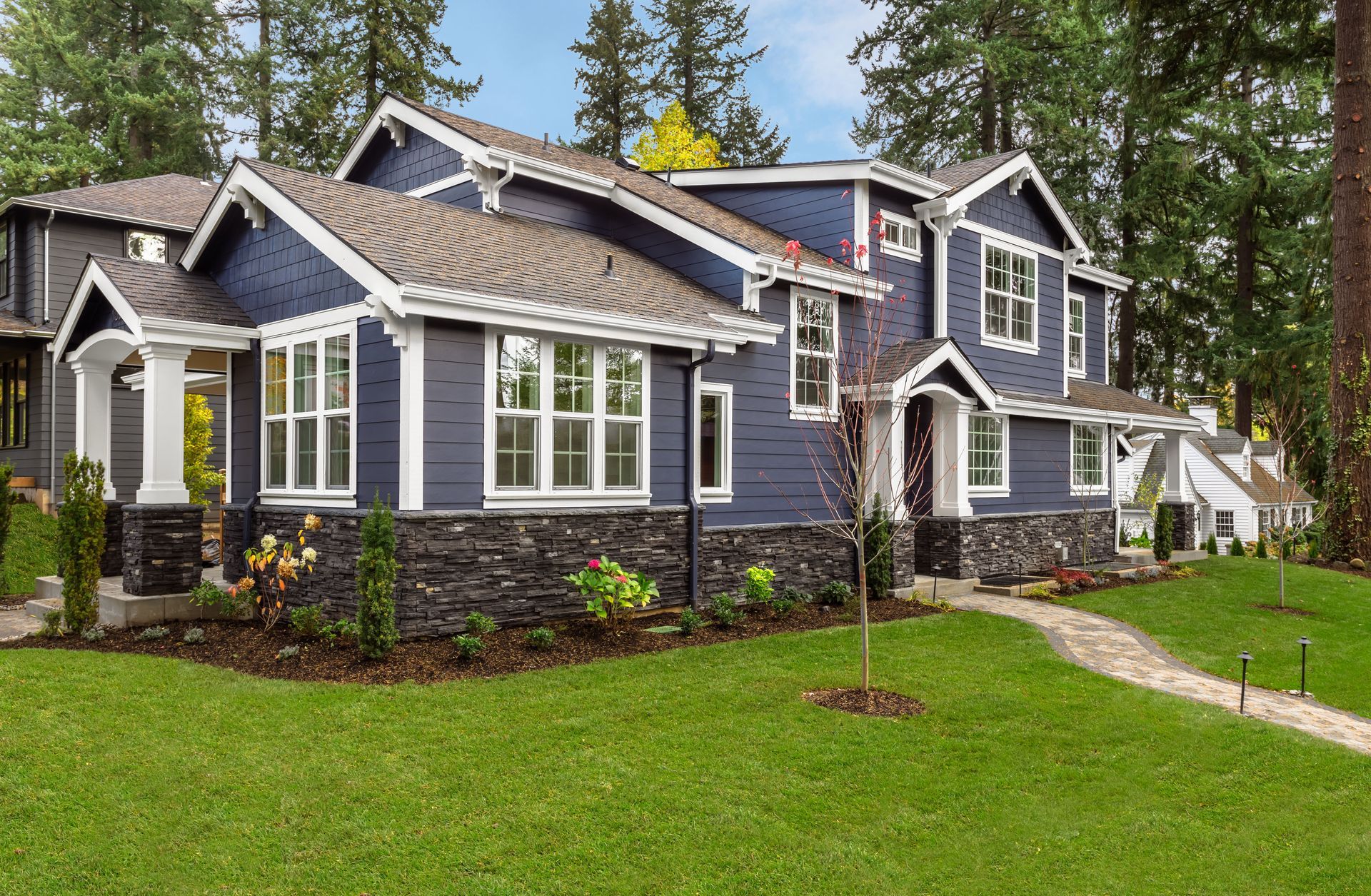
Residential property owners can select a style that enhances the home's exterior, whether the design is contemporary, traditional, rustic, or somewhere in between. Commercial buildings can benefit from the clean, streamlined appearance of metal panels, which can create a polished look for offices, retail spaces, industrial facilities, and other properties. With so many available options, metal roofing can support both practical and aesthetic goals.
5. A Strong Material Selection
Metal roofing is not limited to one type of material. Steel and aluminum are among the common options, and each offers characteristics that may make it suitable for different projects. Steel is valued for its strength and is often protected with specialized coatings to help resist corrosion. Aluminum is lightweight and naturally resistant to rust, making it useful in certain environments where moisture and corrosion are important considerations.
According to Metal Construction News, steel is the dominant material used in residential metal roofing, accounting for about 82% of the market. This popularity reflects the material's established role in residential roofing applications. When choosing a product, property owners should consider the building's location, structural requirements, desired appearance, and exposure to environmental conditions. A roofing contractor can help explain which options are appropriate for the project.
6. Lower Long-Term Maintenance Demands
Every roofing system requires some level of attention over time, but metal roofing is often appreciated for its relatively modest maintenance needs. Its durable surface does not experience the same type of granule loss associated with asphalt shingles, and metal panels are not susceptible to many of the issues that affect other roofing materials. Routine inspections can help identify loose fasteners, damaged flashing, debris buildup, or other concerns before they become more significant.
For homeowners, reduced maintenance demands can make it easier to plan for ongoing property care. Commercial property managers may find this especially valuable when overseeing multiple buildings or large roof areas. Keeping gutters clear, checking drainage areas, and arranging periodic professional inspections can help preserve the roof's condition and support its long-term performance.
7. Versatility for Residential and Commercial Buildings
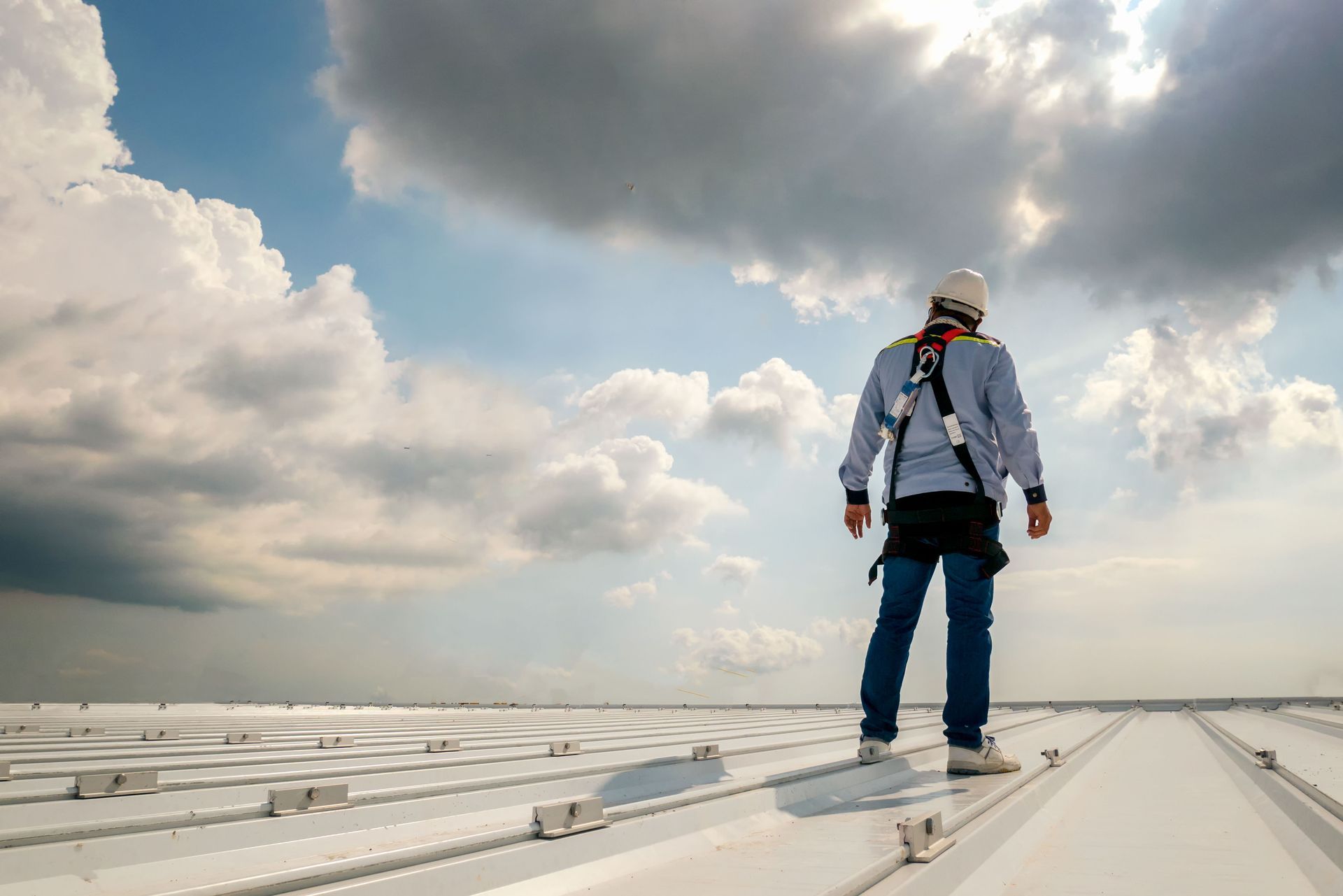
Metal roofing can be used on many different types of structures, which makes it a versatile option for property owners. Homes, garages, workshops, retail buildings, warehouses, agricultural structures, and office properties can all benefit from metal roofing systems when the products are selected and installed appropriately. Different panel profiles and fastening methods allow contractors to address a range of roof designs and building requirements.
This versatility is useful for property owners who oversee more than one type of building. A business with an office and storage facility, for example, may be able to use compatible metal roofing products across both structures while accounting for their individual needs. Residential property owners can also coordinate roofing choices across a home and detached structures to create a consistent exterior appearance.
8. Fire Resistance and Added Peace of Mind
Many metal roofing products are noncombustible, which can provide an important advantage when considering a building's overall fire-resistance characteristics. Unlike some roofing materials that may contribute fuel to a fire, metal itself does not readily ignite. This quality can make metal an appealing option for properties in areas where fire exposure is a concern.
However, a roof's overall fire performance depends on the complete roofing assembly, including the materials beneath the metal panels and the way the system is installed. Property owners should review product ratings and local building requirements when evaluating fire-related benefits. Choosing an appropriate roofing system can contribute to a broader strategy for protecting the building and the people or assets inside it.
9. Potential to Support Property Value
A roof in good condition can contribute to a property's overall appeal and perceived value. Metal roofing offers a combination of durability, appearance, and long-term performance that may be attractive to prospective buyers. For residential properties, an updated metal roof can enhance curb appeal while demonstrating that an important part of the home has received attention.
Commercial property owners may also benefit from presenting a well-maintained building with a durable roofing system. A roof that supports dependable building protection and energy performance can be an appealing feature for prospective buyers, tenants, or business partners. Although no roofing material guarantees a particular increase in property value, selecting a system suited to the building can be a worthwhile long-term investment.
Choosing the right roofing system begins with understanding the building's needs and comparing appropriate materials. With careful planning and quality workmanship, metal roofing can provide a dependable and attractive solution for protecting your property for years to come. Contact our team at Consolidated Roofing Contractors, Inc today to learn more!